
Home » Ash Tree: Identification, Care, and Key Facts
Ash Tree: Identification, Care, and Key Facts
Picture This
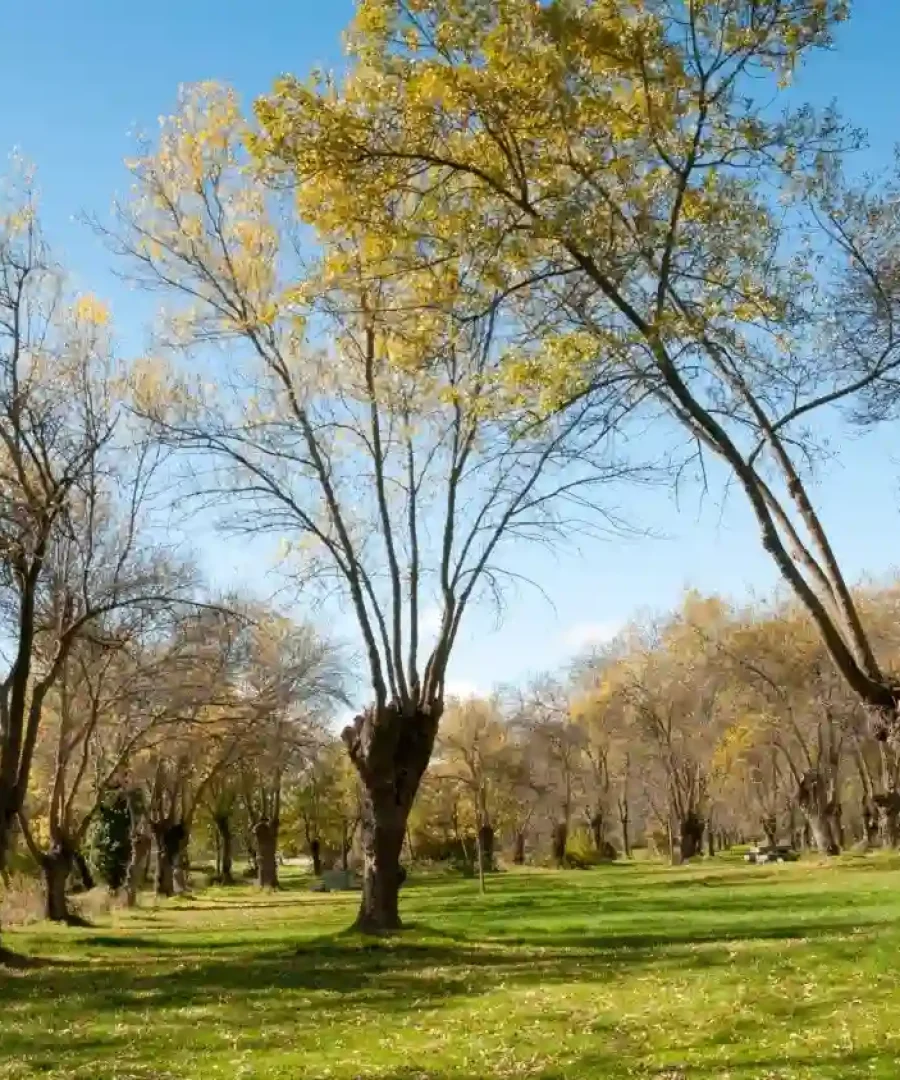
Walking on a street, through a park, or deep within a forest, you are often greeted by the elevated presence of towering trees that impress with their dignified looks. More often than not, these are Ash Trees. Their leaves perform a slow dance, glistening in the breeze, and casting patterned shadows on the street with their cool, dappled shade. In essence, ash trees are living monuments of resilience and grace — far more than mere stunners.
Throughout history, ash trees have shaped human experiences and landscapes. They have been an integral part of nature’s bestseller, lining parks, guarding backyards, and defining the contours of ancient forests. In short, they are splendid living history.
So, what makes ash trees so special? How exactly can you recognize one? More importantly, why are they in danger today? Let us explore together the fascinating world of ash trees. Let’s begin by getting to know their elegant leaves and rugged bark. Then, let us go further to understand their vital role in nature — and the serious challenges they face.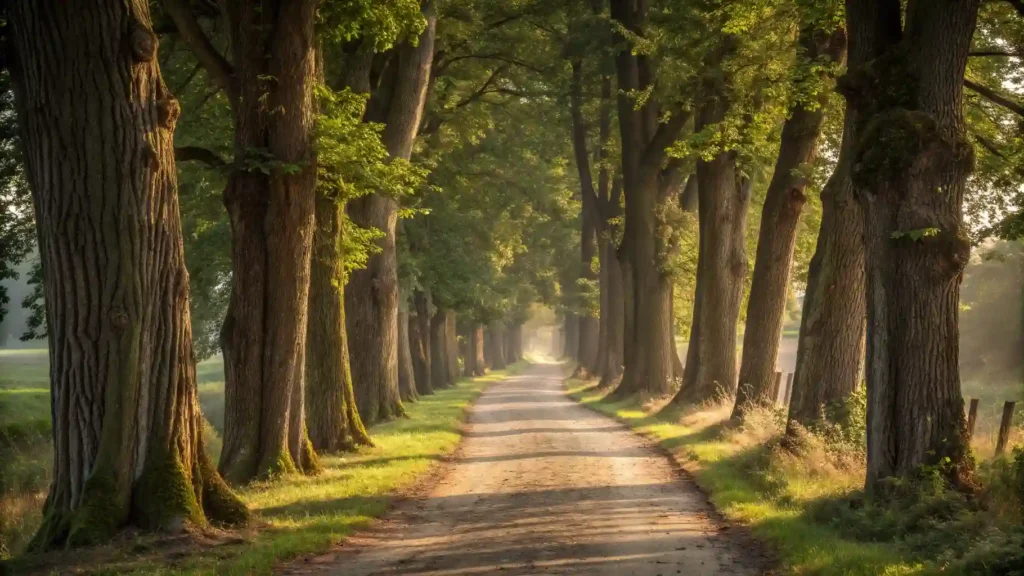
Ash Tree Leaves: Nature’s Feathery Design
Their unique feathery leaves make them easy to identify. To begin with, they are blessed with beautiful compound leaves. In other words, each seemingly “one leaf” is, in reality, a cluster of 5 to 11 smaller leaflets arranged on a single stem. Altogether, the overall pattern reflects beauty in simplicity, forming a symmetrical, feather-like shape.
Moreover, landscapes benefit from the carousel-like seasonal color changes of their dynamic leaves. In spring, a fresh green glow emerges; by autumn, golden yellow dominates, and occasionally, vibrant purple hues appear, making them steal the show.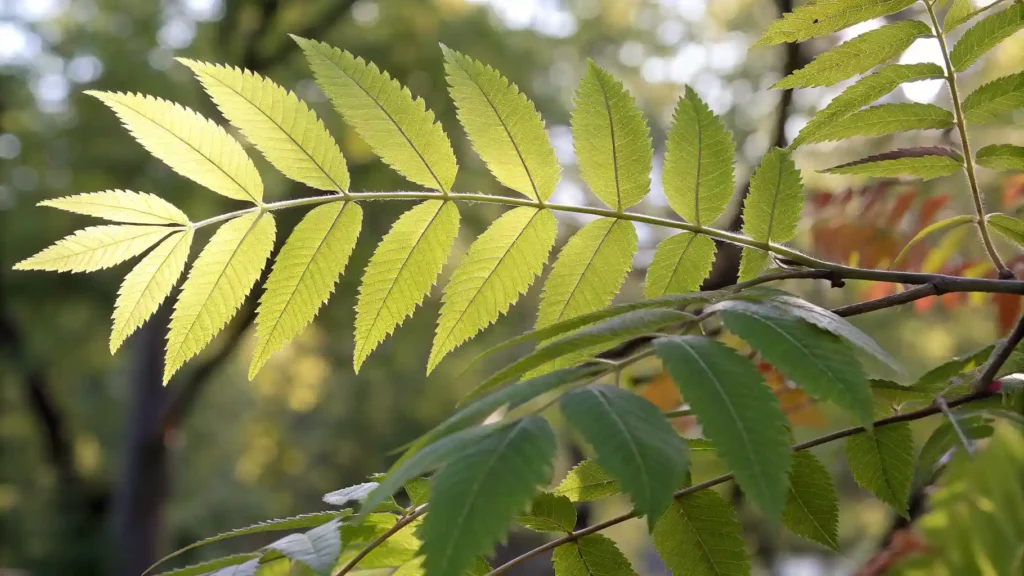
Ash Tree Bark: A Signature Pattern
Ash Tree Leaf or Leaflet?
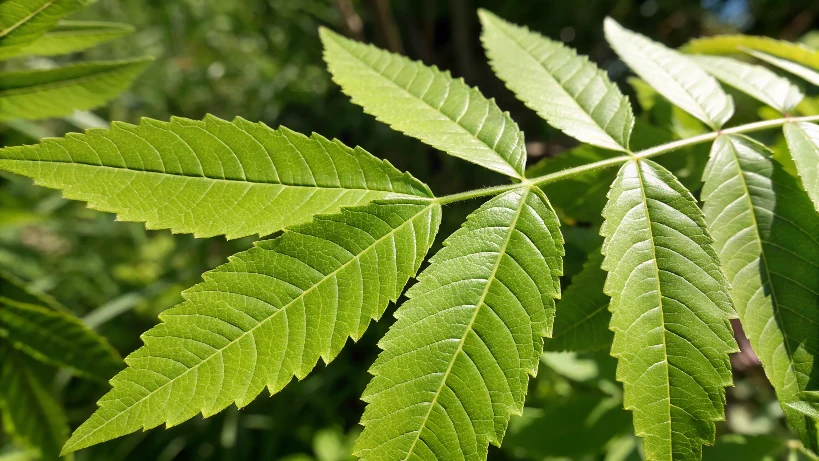
Ways to Identify an Ash Tree
Wondering if the tree in your yard is an ash? Look for these telltale signs:
- Leaves: Compound with 5–11 leaflets, opposite arrangement
- Branches: Grow directly opposite each other
- Seeds: Produces winged seeds called samaras, often in clusters
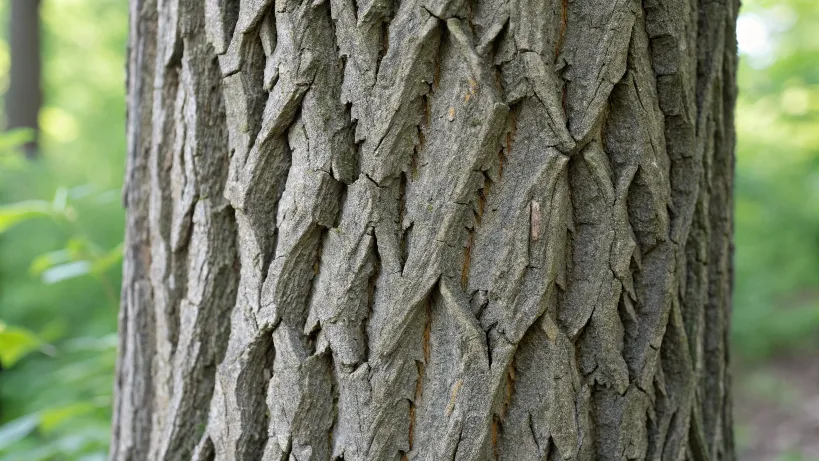
- Bark: Mature trees show a diamond-pattern texture

Ash Tree Characteristics
Ash trees are known to live for decades and at times for more than a century, growing 40 to 80 feet tall. They belong to the Fraxinus genus. They grow well in well-draining soil and loads of sunlight. However, they can also withstand occasional or partial shade.
There are more cool facts about ash trees. Dioecious in nature, female and male flowers grow on different trees. Featuring qualities of strength and flexibility, the wood has been a top choice to craft furniture, create flooring, and even make baseball bats.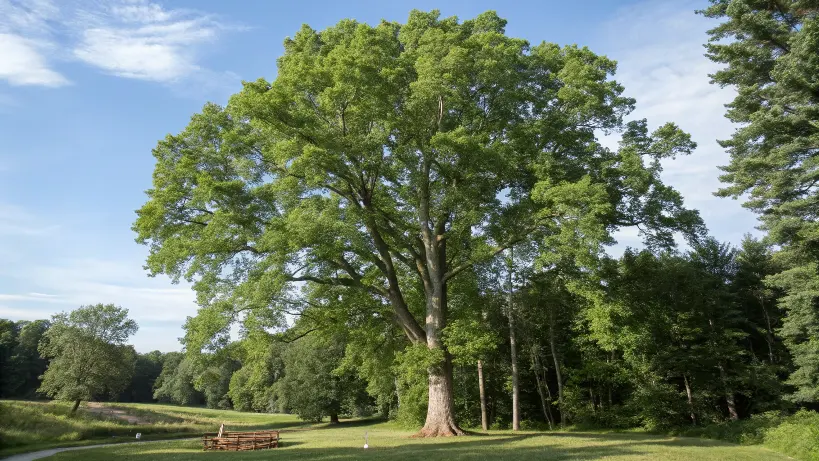
Danger to Ash Trees: Pests and Disease
Sadly, these majestic trees are under attack. To begin with, the biggest culprit? The emerald ash borer (EAB). A tiny, metallic-green beetle harms them most. Specifically, once its larvae tunnel under the bark, they block the tree’s nutrient flow. Consequently, this kills the tree in just a few years.
In addition, ash dieback is another grave danger to ash trees. This disease is caused by a fungus. Typically, it starts with leaf loss and gradually affects and kills branches until the entire tree dries up and withers without life.
Notably, Hymenoscyphus fraxineus is the most potent culprit. The infections begin with leaves through airborne spores, then gradually move to branches and the trunk. Since no cure has been found for this Asia-originated disease, remedial and precautionary measures are best achieved by eliminating infected material ASAP. Moreover, choosing resistant varieties is another option.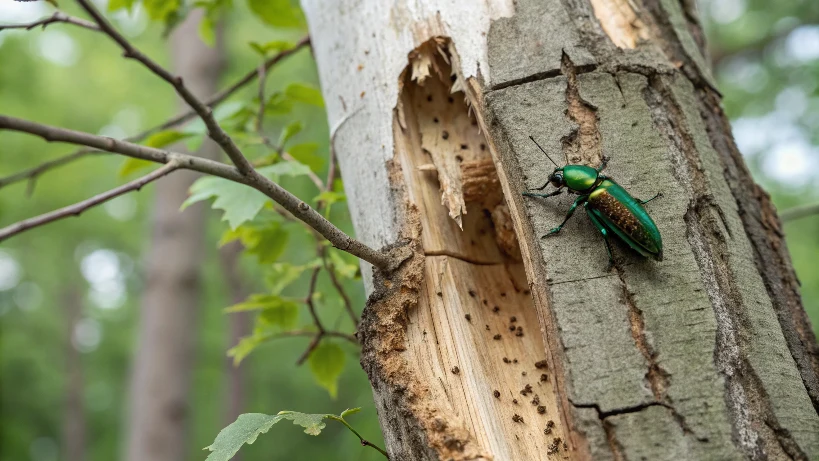
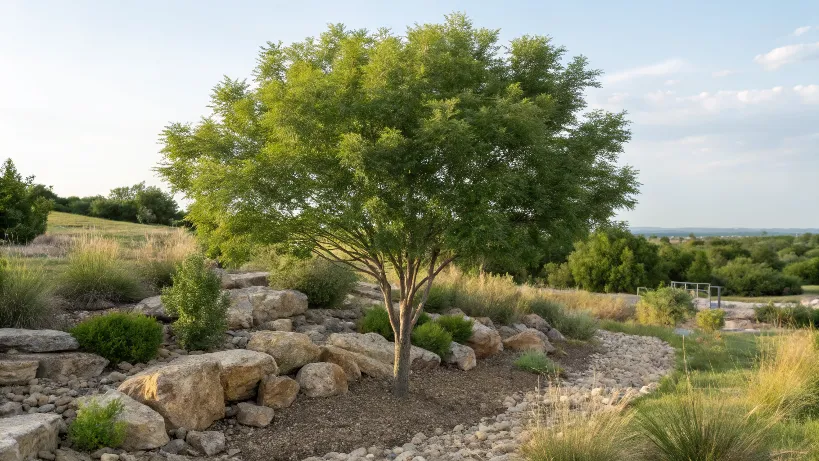
Ash Trees in Texas
Quick Reference: Ash Tree Features
| Feature | Description |
|---|---|
| Leaves | Compound, 5–11 leaflets, opposite arrangement |
| Bark | Gray & smooth (young), diamond-patterned (mature) |
| Height | 40–80 feet |
| Seeds | Winged samaras in clusters |
| Lifespan | 100+ years |
Summary
Ash trees are blessed with manifold advantages. They support the ecosystem, provide shade, and above all, improve the air quality of the environment. Featuring qualities of strength and flexibility, the wood has been a top choice to craft furniture, create flooring, and even make baseball bats.
After spreading joy on this planet with their looks and versatile features, for centuries, they also need our help to thrive with us.
There are a few things you can do, like inspecting regularly for any pests or diseases infecting them. Once you notice any negative influence on the tree, do not hesitate to consult an arborist for advice. These generational heirlooms have been living with us and must live forever. Mindfulness, awareness, and some TLC, is all that they require form us.

Pingback: Fertilizer Spreader: Make Your Garden Life Easy - ytvblog.com
Pingback: Pottery Barn Outlet Deals: Your Guide to Stylish Savings