
Home » Zinnia Seeds: Pollinator Magnet, Stunning Blooms
Zinnia Seeds: Pollinator Magnet, Stunning Blooms
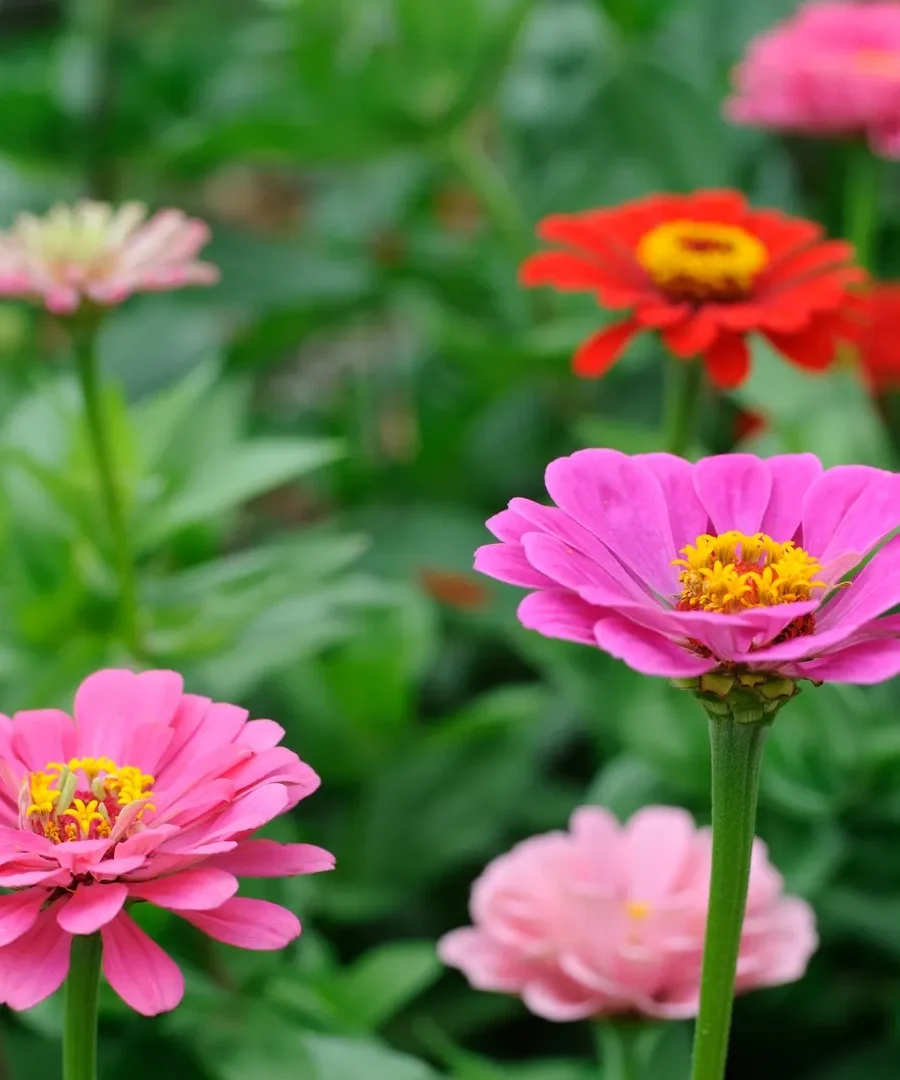
Zinnia seeds are pollinator magnets with their stunning blooms. Indeed, simple and easy to grow, your garden becomes a Monet-esque masterpiece with its color-spangled presence. Moreover, pollinators gravitate in droves, making the space an ecological hot spot.
First, growing zinnia seeds is an easy process. Create a bed to watch a colorful canvas crop up. Additionally, pollinator-friendly, fast germination, simple maintenance, and endless varieties in myriad sizes are the hallmarks of this species.
Next, scatter a bunch of zinnia seeds on a bed in a sunshine zone, and watch colors vie with each other in resplendence in just a single summer. Then, be patient with zinnias and be rewarded with beautiful bounty. Consequently, bees, butterflies, and even hummingbirds come waltzing. In other words, a pollinator party cheers up the space with zinnias as your mates.Why Zinnia Seeds Can Transform Any Garden Into Beauty Unlimited
Zinnia Seeds: Simple and Resilient
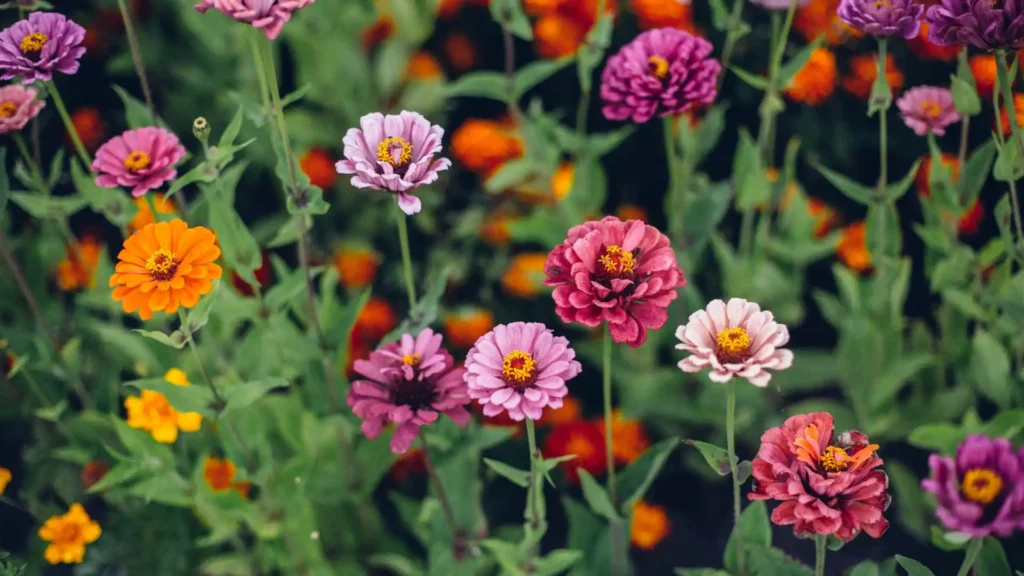
Zinnias are easy to grow and rewarding for pollinators. Key tips for successful planting include:
- Direct sow after the last frost; germination is swift in warm soil. Sow seeds directly after the final frost.
- Zinnias do not like too much shade as it can bring diseases. They thrive in well-draining soil and full sunlight.
Blessed with a Wide Color Palette and Sizes
Zinnia seeds give you choices:
- Dwarf (Thumbelina) for containers and borders. Homegrown Garden
- Mid-size (Oklahoma, Persian Carpet) for massing and meadows. Homegrown Garden
- Giant (Benary’s Giant) for cutting gardens and dramatic bouquets. Homegrown Garden
Ease of Growing: How-To Tips
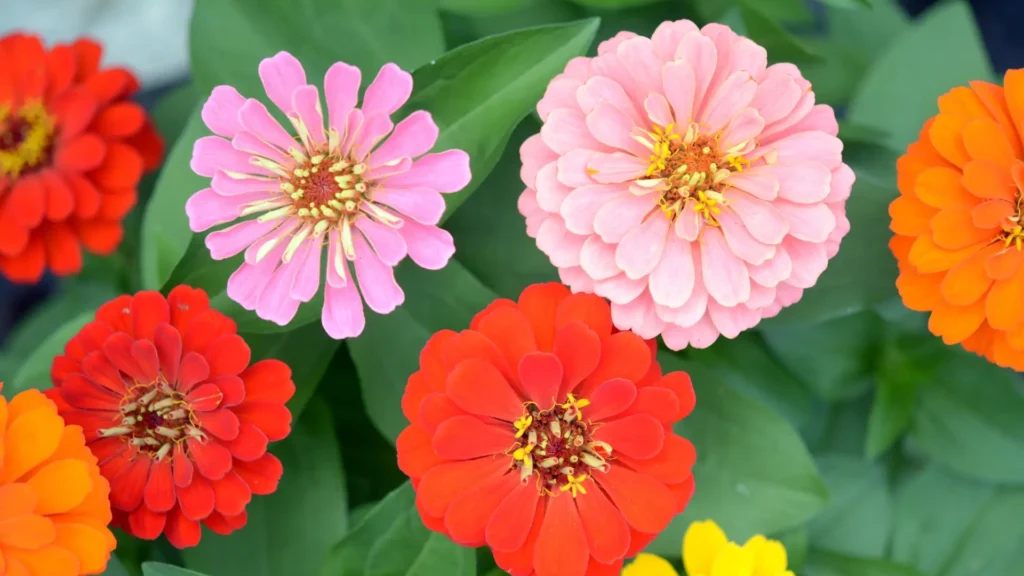
- When and how to plant: Firstly, the last frost is the best time to directly sow the seeds. However, if you are in a hurry to enjoy earlier blooms, begin the process indoors 4–6 weeks before the last frost.
- Depth and spacing: Next, sow ¼” deep. Then, space depending on variety (6–12″ for small; 12–24″ for tall).
- Sun and soil: Additionally, amend by blending with compost if the clay is heavy for better results. Moreover, well-draining soil and full sun are vital for its wellness.
- Watering: Finally, keep seeds moist until germination (4–8 days typical), then water at the base to avoid wet foliage.
Pinching for Better Growth
Helping Zinnia Seeds Thrive: Quick Tips
- Firstly, sow seeds every 2–3 weeks in succession to maintain beautiful blooms all season.
- Next, to facilitate and encourage more blooms, deadhead spent flowers.
- Finally, choose mildew-resistant varieties (Profusion, Oklahoma) if you live in humid areas.
Zinnia: How to Take Care of Common Issues
- Powdery Mildew Infestation: Humid or shaded beds can invite powdery mildew spread. Therefore, space for airflow, plant under full sunlight, remove affected leaves, and choose resistant cultivars to arrest this issue.
- Damping-Off (Seedlings): Allow the surface to dry slightly between watering schedules. Additionally, use a sterile seed mix and avoid inundation.
- Aphids and Thrips: Give a good water-blast to remove them. Alternatively, introduce predatory ladybugs. Also, cleaning with an insecticidal soap solution can mitigate this issue if needed (general integrated pest guidance).
Quick Comparison Table
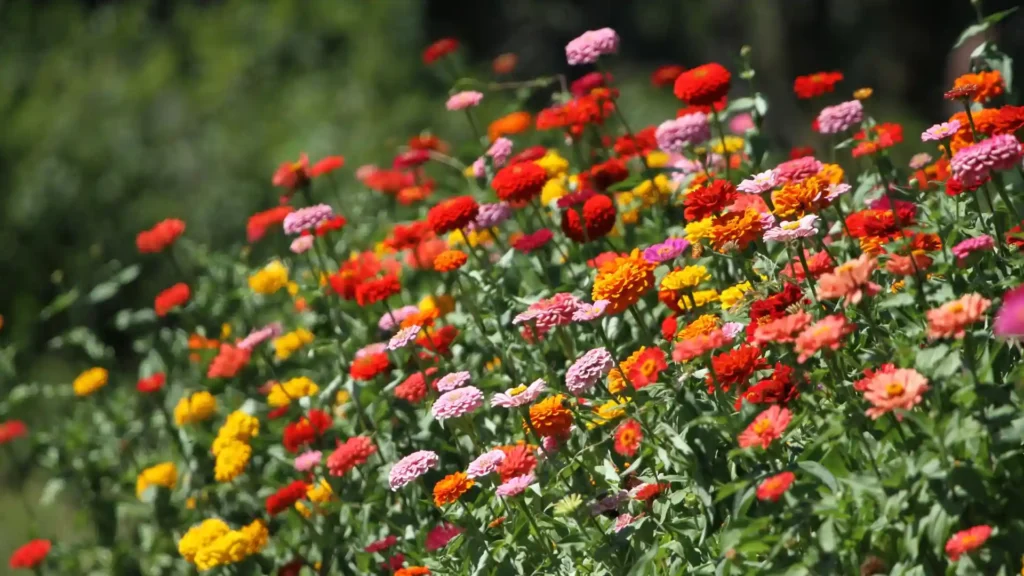
| Feature | Best for | Notes |
|---|---|---|
| Thumbelina (dwarf) | Containers, borders | Small plants, prolific bloomers. |
| Oklahoma / Profusion | Cut flowers & disease resistance | Good mildew tolerance. |
| Benary’s Giant | Cutting garden | Large blooms, long stems. |
Summary
Plant a Pollinator Party. Indeed, if you want color, ease, and a summer full of pollinator visits, Zinnia Flower Seeds are one of the most reliable choices. They’re forgiving, fast, and endlessly varied. Simply, scatter them, nurture them lightly, and enjoy the show — meanwhile, the bees and butterflies will thank you.
Moreover, fast in growth, resilient, and a magnet for pollinators, zinnia is a blessing for any garden. In addition, they come in myriad colors. Also, they germinate fast in warm soil. Furthermore, they respond well to pinching. However, keep a check during humid climates for powdery mildew and go for resistant varieties if required. Finally, save seeds at season’s end to keep favorite varieties next year.
