
Home » Soil Test Kit: Your Garden’s Honest Conversation
Soil Test Kit: Your Garden’s Honest Conversation
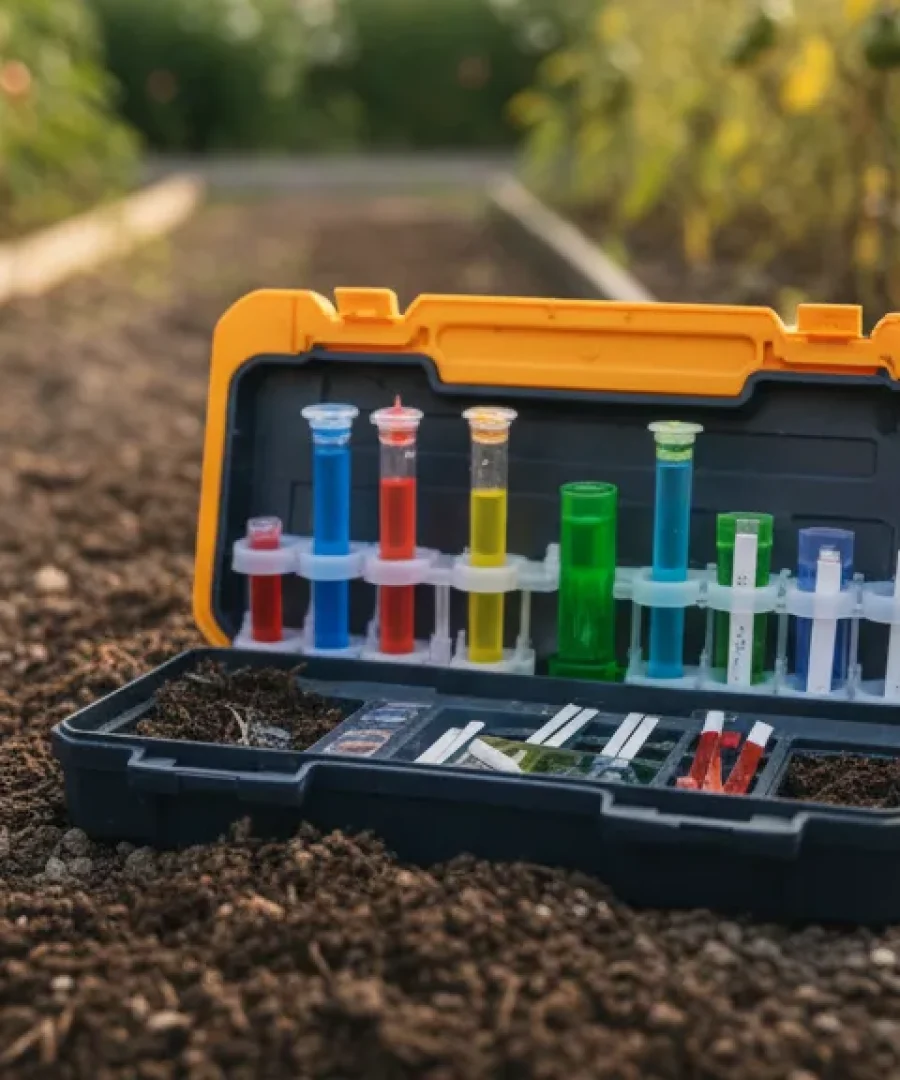
Picture this: you fussed over tomatoes all season, yet your neighbor’s messy plot produces prize fruits while yours sulk. After years of guessing, you finally listened to the dirt beneath your boots—and everything clicked. Then, a soil test kit gave you facts instead of opinions, so from that point, your garden stopped guessing and started responding.
Why a Soil Test Kit Matters
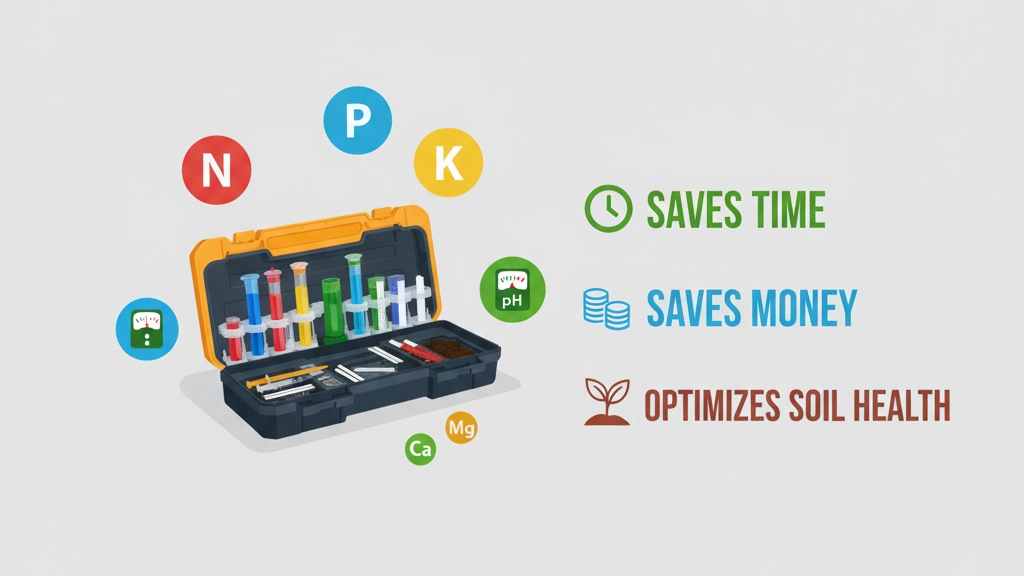
A soil test kit is an expert tool that checks the health of your patch. Rather than relying on just theory, it provides you with vital data on pH, nitrogen, phosphorus, potassium, and, at times, calcium and magnesium too. As a result, it tells you what and where to fix. For example, your soil could be nutrient-rich, yet a wrong pH value can lock nutrients, destabilizing soil performance. In summary, it saves time, money, and frustration on your gardening journey.
What Are Soil Test Kits?
A soil test kit measures key soil chemistry and returns actionable data. For instance, DIY kits use color strips, reagents, or digital probes for quick results. Meanwhile, professional labs provide precise concentrations, micronutrients, organic matter content, and tailored regional advice. Therefore, you can choose speed and low cost or depth and specificity based on your needs.
DIY vs Professional
DIY kits can be bought at typically $10 to 30, and are handy for regular checks. Conversely, professional test kits with lab testing can cost roughly $20–75. However, they can detect contaminants and micronutrients. For stubborn issues, lab testing is worth the cost. The results may take 1 to 2 weeks to come, but they are worth the effort.
| Kit Type | Best For | Price | Accuracy |
|---|---|---|---|
| pH-only strips | Fast pH check | $5–15 | Good |
| Basic 3-in-1 kits | General garden | $15–25 | Moderate |
| Digital pH meters | Frequent testing | $20–50 | High (with calibration) |
| Complete NPK kits | Nutrient planning | $25–40 | Good |
| Professional mail-in | Problem solving | $30–75 | Excellent |
Testing with Soil Kit
Impacts on Plant Health
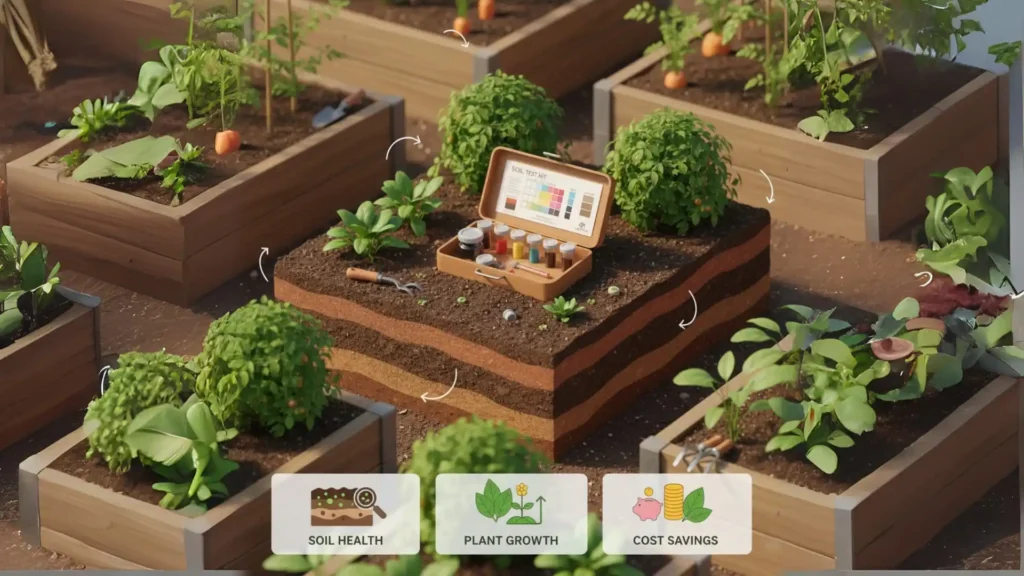
When you know the soil story, your fixes become surgical, not scattershot. My raised beds tested alkaline at pH 8.2, which explained bitter spinach and stunted carrots. After gradual sulfur and compost applications, plants revived within a season, and I cut fertilizer use by roughly 40%. Thus, testing prevents over-fertilizing (which can burn roots) and helps beneficial soil life thrive.
Can You Generalize Results Across the Yard?
You can, but with caution. Soil quality can differ within short distances. Different plants also perform differently. Therefore, use a soil test kit to test different beds separately. For checking the overall health of the soil, early spring is ideal for annual testing, as vagaries of weather can shift nutrients. (Heavy rains leach minerals, and drought causes concentration of salts
Cost vs Value: Is Testing Worth It?
A basic kit quickly pays for itself because targeted amendments replace wasted fertilizer purchases. Consider that a bag of premium fertilizer costs $15–30; avoiding unnecessary bags and fewer plant replacements can save hundreds annually. Personally, targeted testing saved me about $200 a year and drastically improved yields—your ROI will depend on garden size and value of crops.
Step-by-Step: Using a Soil Test Kit
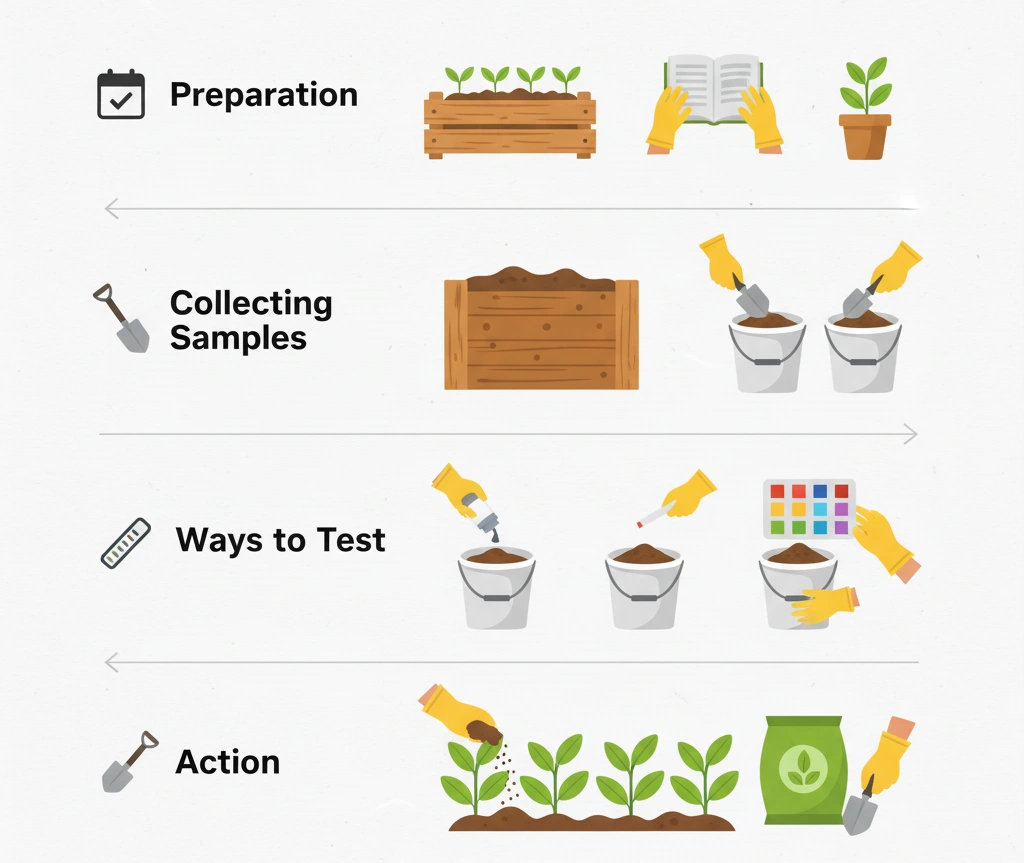
- Preparation: Avoid testing right after heavy rain or extreme drought, and also clean tools with distilled water.
- Collecting Samples: Go down 4–6 inches deep, then take 6 to 8 subsamples per area, and afterward use a clean container to mix them to make a composite sample.
- Ways to Test: Follow the instructional manual that comes with the kit, blend soil with distilled water, let it settle, and finally apply strips or reagents before reading colors in good light.
- Action: Choose amendments based on results, for example add lime for acidic correction or sulfur and organic matter for alkaline soils, and then adjust gradually and retest.
Extra Practical Tips
- Test different beds separately to reveal microclimates.
- Store kits dry and calibrate digital probes often.
- Use organic matter to improve structure, not just pH.
- If results confuse you, reach out to your county extension or send a sample to a trusted lab.
When to Send Samples to a Lab
Send samples when you suspect contamination (near old paint, industry, or high-traffic roads), or when crops repeatedly fail, and also for long-term, high-value plantings like orchards. Heavy metals can be screened along with a comprehensive study in laboratories, which is more efficient than their DIY counterparts.
Do Away with Common Mistakes
Don’t sample only one spot—composite samples are truer. Don’t over-amend at once, because big swings in pH can stress plants. Never ignore power-packed organic matter, as they can improve soil life and also give better yields than single nutrients.
Summary
With a soil test kit as your garden-mate, say bye-bye to guesswork. Whether you choose a modest DIY strip or a pro-kit, testing unveils actionable truths that enhance plant health, and also minimize waste, and improve yields. In other words, a soil test kit by your side in the garden helps you take small but firm steps to garner big gardening returns.
FAQs
1. Why does my garden need a Soil Test Kit?
It educates you on the pH and nutrient levels. Therefore, you know where and when to fix issues of the soil. Finally, it throws guesswork out of the window.
2. When and how often should you test?
Annually (early spring), and after major amendments or extreme weather events.
3. How does a Soil Test Kit work?
Most use chemical indicators or electronic probes to translate soil chemistry into readable values.
4. Is testing expensive?
Professional tests and kits cost more than pocket-friendly basic kits but give a deeper understanding of actionable data.
5. DIY vs professional—what’s the main difference?
DIY gives quick, basic data; labs provide precise, broad-spectrum analysis and tailored recommendations.
Trending Posts
Ghost Orchid,
Cosmos Flowers,
Black Dahlia Flower,
Zinnia Seeds,
Hibiscus Tree,
Rain Gauge,
Garden Cart,
Fertilizer Spreader,
Electric Pressure Washer,
Pressure Washer Hose,
Ruggable Rugs,
Ottomans,
Grow and Harvest Fennel,
Candle Holder Ideas,
Garden Hose Reel,
Govee Floor Lamp,
Pruning Shears,
Fireplace Mantel Design,
Front Porch Ideas,
Pantry Cabinet,
Closet Door Design,
Herb Garden,
Linoleum Flooring,
Entryway Table,
Home Depot,
Butterfly Garden,
Hydrangeas,
Pergola Designs,
Kitchen Designs,
Pottery Barn Outlet,
Ash Tree,
Fig Tree Care,
Japanese Garden,
Pruning Tomato Plants,
Water-Wise Gardening Ideas,
Smart Home Gardening,
Balcony Design Ideas,
Beginner’s Guide to Composting,
Bedroom Wall Decor,
Beautiful Home and Garden with Natural Materials,
Boxwood Shrubs,
Budget-Friendly Home and Garden Ideas,
Calathea

