
Home » Japanese Garden Concept and Ideas
Japanese Garden Concept and Ideas
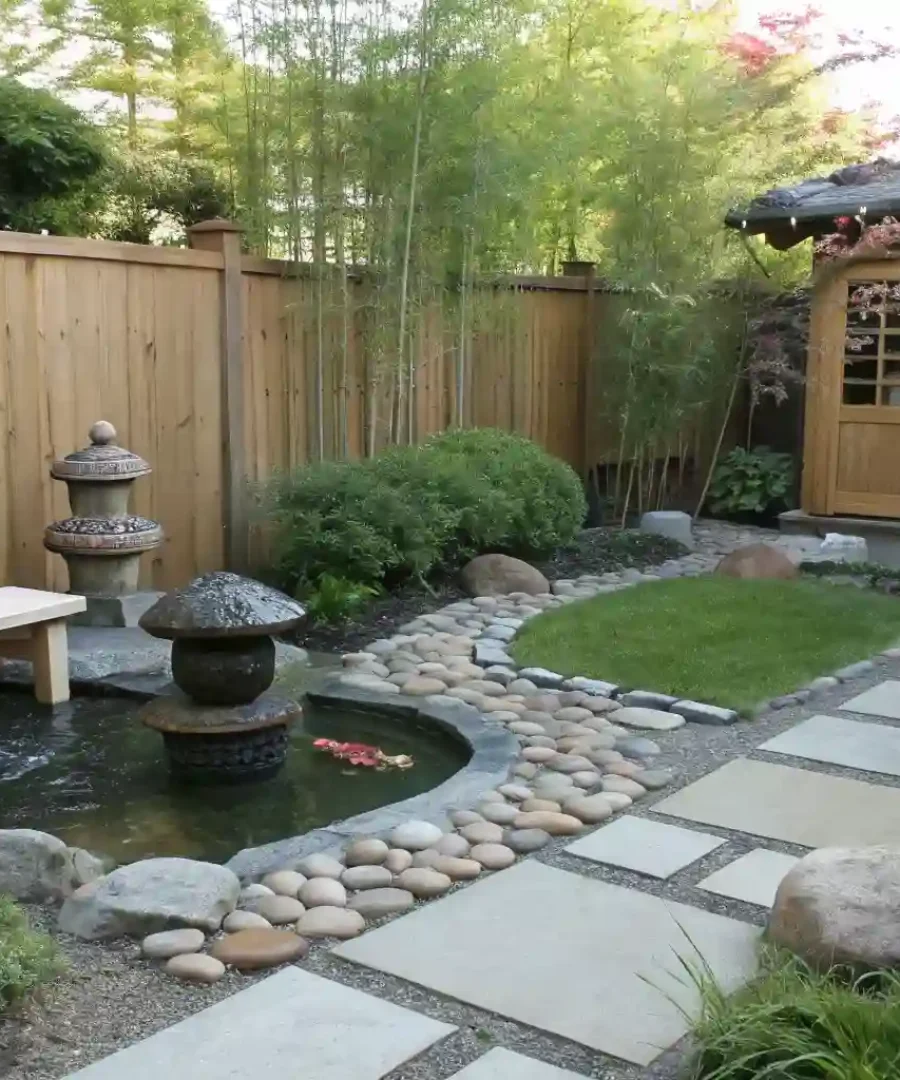
Japanese garden concept and Ideas can do wonders for your yard, the Japanese Zen way. To begin with, the nuanced rustling music of bamboo foliage and the joyous gurgle of flowing water in the garden will elevate your spirits. As a result, in such a scenario, your daily stress can evaporate. Moreover, Japanese Garden Ideas welcome aura farming through mindful Zen designs. Together, rocks, plants, and water combine to create a symphony of a surrealistic abode that spells peace and harmony. Indeed, every element of your Japanese Garden tells a story. For instance, each stone reflects the majesty of Mount Fuji. Likewise, each pond reflects the aura of cherry blossoms.
Furthermore, you’ll learn how to choose materials that age gracefully, and how guiding paths create a subtle journey. Therefore, let us put our heads together to learn and discover the time-honored golden rules, like borrowed scenery and asymmetry. These ideas, when implemented, will make your space grow beyond its borders. What is your choice? A splendid backyard-stroll garden or a tiny rock retreat nook. Both and more such research-backed insightful ideas will guide you in this article. Moreover, ready to embrace a mindful Zen approach to gardening that champions peace, balance, and connection with nature.Comparison of Garden Types
| Garden Type | Ideal Space | Approximate Cost | Key Features |
|---|---|---|---|
| Backyard Stroll Garden | 200–500 sq ft | $3,000–$10,000 | Pond, stepping stones, lanterns |
| Small Space Rock Garden | 100 sq ft | $500–$2,000 | Gravel, stone arrangement, moss |
| Front-Yard Entry Garden | 100–300 sq ft | $1,500–$5,000 | Bamboo fence, gate, pathway |
| Budget-Friendly DIY Garden | Any size | $500 | Recycled materials, DIY lanterns, container plants |
Japanese Garden Concept and Ideas for Backyard
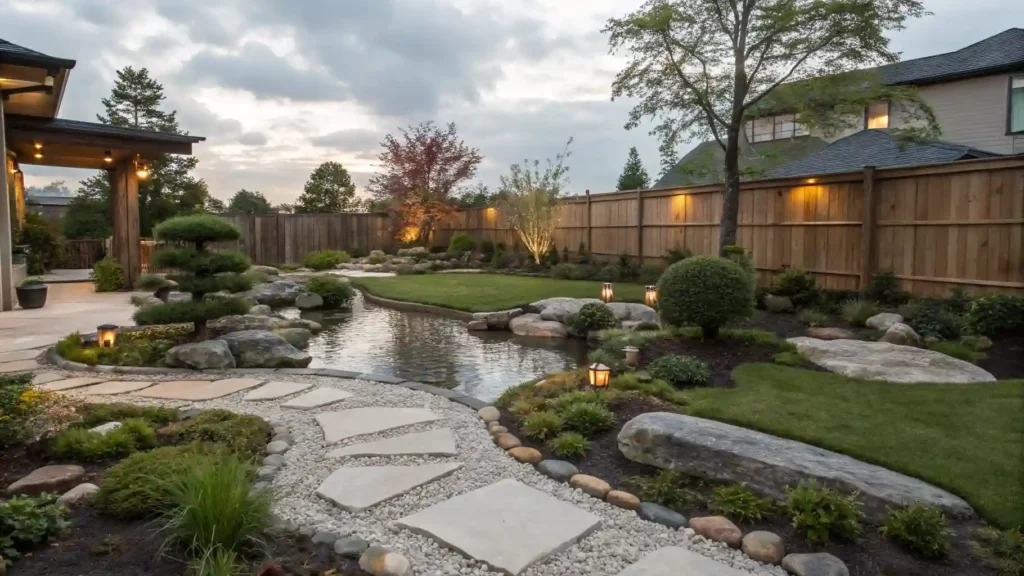
A full, mindful walk-around experience is achieved with an expansive, spacious Japanese Garden in the backyard. To begin with, an amoeba-shaped pond without sharp angles or straight lines can be a great start-up idea. The pond mimicking nature’s curves with a Japanese-style wooden bridge will create an aesthetic vibe. Additionally, pruned pines and maples can surround the pond to add seasonal hues.
Moreover, a stone lantern installed close to the pathway can evoke tradition and subtle lighting. In the same way, use local stones and place them strategically to achieve character. Furthermore, refer to the Internet or books at the neighborhood library for more design ideas. Ideally, try to get your hands on a salvaged Koi pond pump. This will not only bring down your costs but also lend the space an authentic Japanese aura.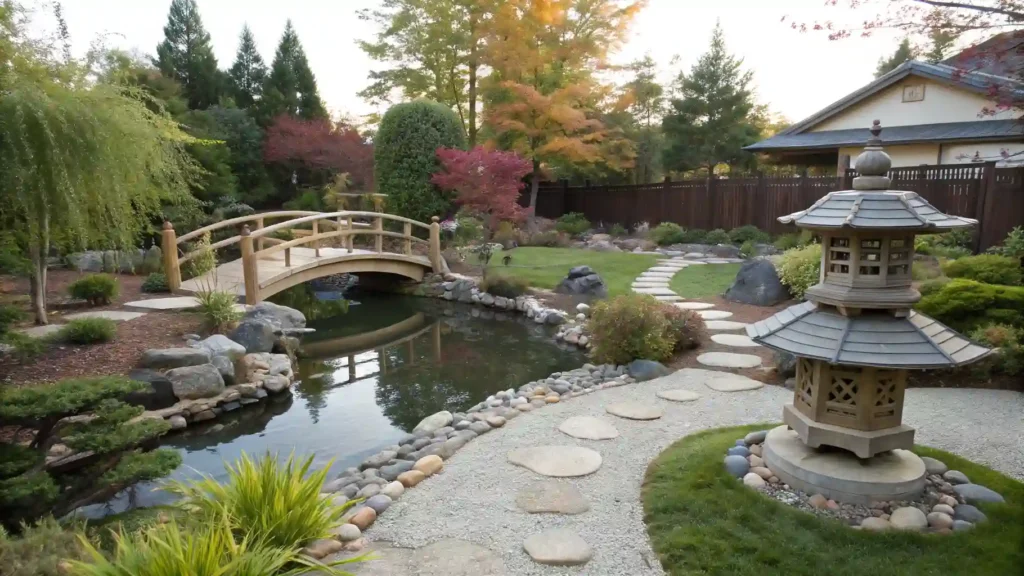
Japanese Garden Concept and Ideas for Small Spaces
Japanese Garden Concept and Ideas for Small Backyard
Japanese Garden Concept and Ideas on a Budget
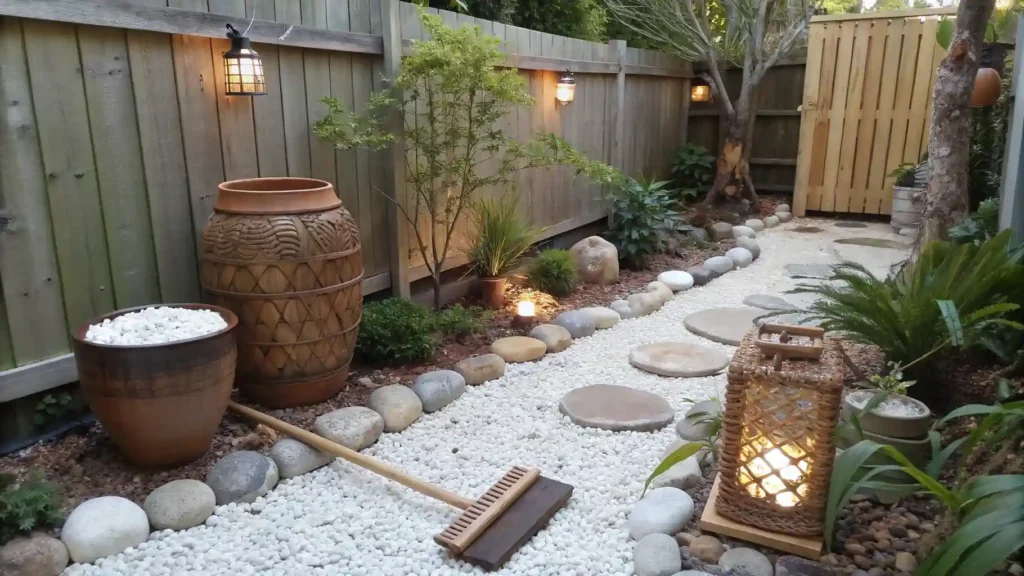
Japanese Garden Concept & Ideas for Front Yard
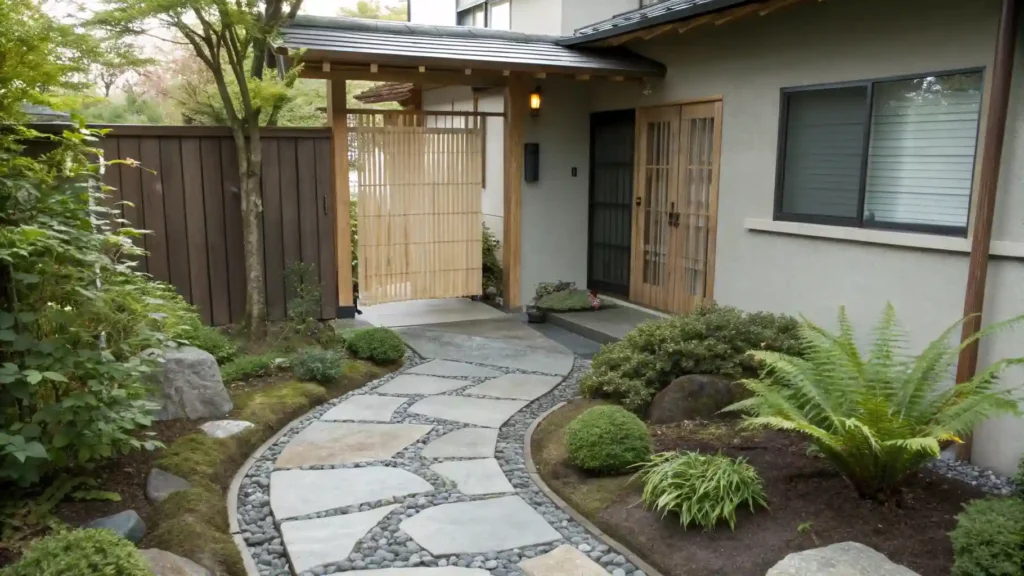
Japanese Garden Concept and Ideas DIY
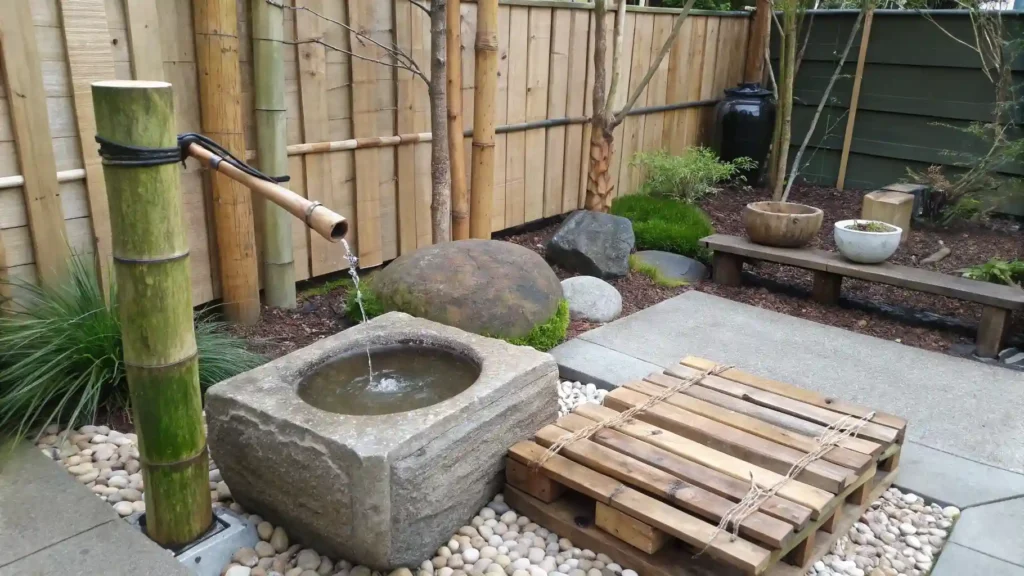
Important Design Principles & Insights
- Fundamental Elements: To usher in nature’s unity, water, plants, and stones play a harmonizing role.
- The Seven Concepts: Austerity (Koko), Simplicity (Kanso), Naturalness (Shizen), Asymmetry (Fukinsei), Mystery (Yugen), Freedom (Datsuzoku), and Stillness (Seijaku).
- Shakkei or Borrowed Scenery: Invite infinity to expand perceived space by creating distant views or Shakkei.
- Asymmetry & Scale: Arrange features off-axis to appear natural and use human-scaled pathways for comfort.
Summary
Japanese Garden Ideas are works of art for your home. By design, you create a sensory experience that relaxes the mind and uplifts the spirit by aesthetically interlacing stones, water, and plants. At its core, the philosophy guiding a Japanese Garden prioritizes subtlety over grandeur. Instead of boldness, it brings in the sensory experience, celebrating a tiny ripple in the pond, a stone laced with moss, or a leaf tangoing with the breeze. Just like minimalistic lines in haiku, it strives to establish equilibrium in every nook of the garden.
Moreover, the practice of mindfulness plays an all-encompassing role, whether it is a modest rock garden or a sweeping landscape transformation. During each visit, mindful walks with meditative reflections are the core of the pathways along water and green. As time passes, with every passing season, the garden ages gracefully, unveiling new perspectives. New growth emerges, stone ages, light shifts. Ultimately, come, converse with nature, allow contemplation and rejuvenation into your life. Zen like!

Pingback: Herb Garden: Welcome Spice into Your Recipes
Pingback: Fireplace Mantel Design: For a Showstopping Fireplace Makeover
Pingback: Hibiscus Tree: Charm and Healing Soft Power
Pingback: Garden Cart: Your Indispensable Garden Mate