
Home » Hydroponics Farming
Hydroponics Farming
Hydroponics Farming- For New Age Farmers
The way we grow plants is indeed going through a paradigm shift with hydroponics farming. For city gardeners and eco-friendly aficionados, this soil-free approach provides many advantages, which makes it perfect for them. Moreover, from quicker growth to water conservation, hydroponics is revolutionary. So, come, let us put our heads together to examine its benefits, along with how to maintain, the setting-up procedure, and tips to assist you in embarking on your hydroponics journey.
Hydroponics Farming- What is it?
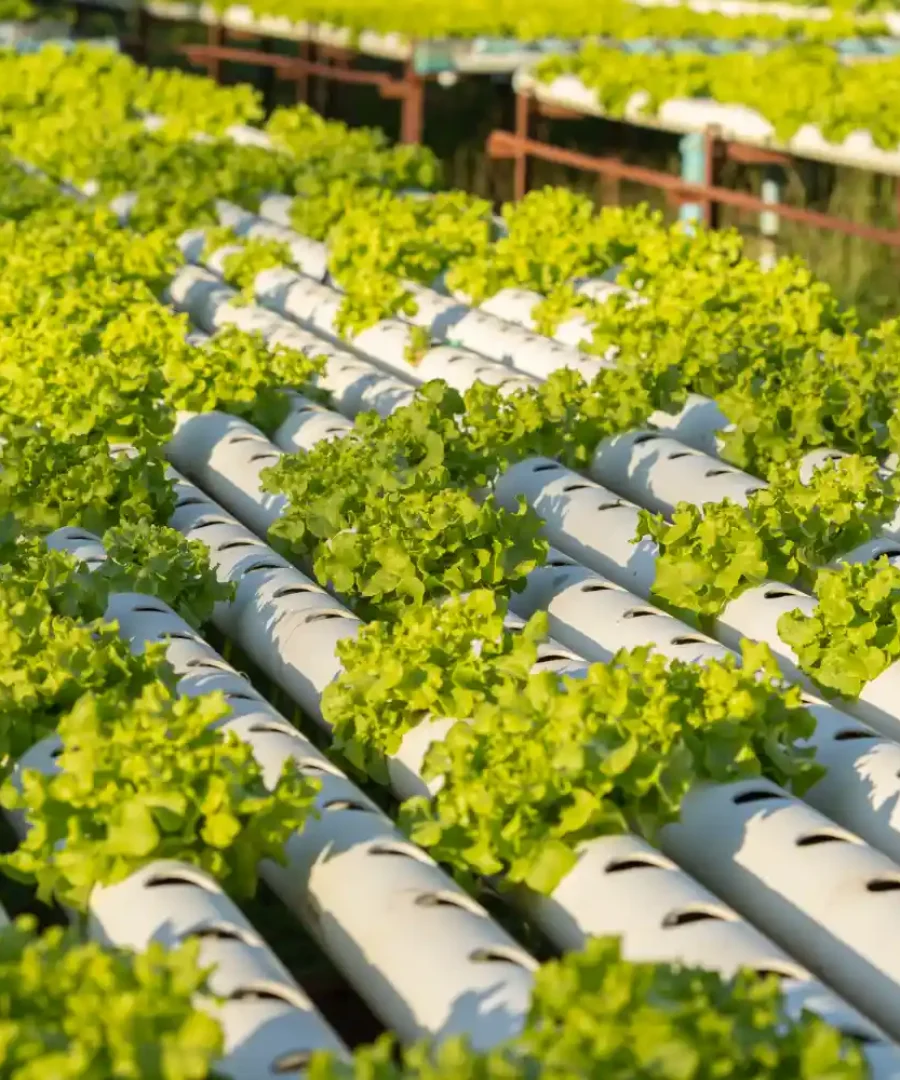
Hydroponics farming, it is a methodology of cultivating plants without soil. In this process, plants grow in nutrient-rich water solutions with a balanced approach of utilizing water, nutrients, and light. Thus, this technique is ideal for limited areas and city settings and is often utilized for cultivating herbs, vegetables, and even blooms.
Benefits of Hydroponics Agriculture
Faster Growth of Plants
Plants develop up to 50% quicker in hydroponics systems because they obtain nutrients directly, removing the necessity to look for them in the soil. This leads to faster harvests.
Water Conservation
Consuming 90% less water Hydroponics agriculture is differently resourceful than the humongous need for water in conventional farming. For places with limited water availability, this is an environmentally friendly way as it recycles water for use and minimizes water wastage.
Saves Space
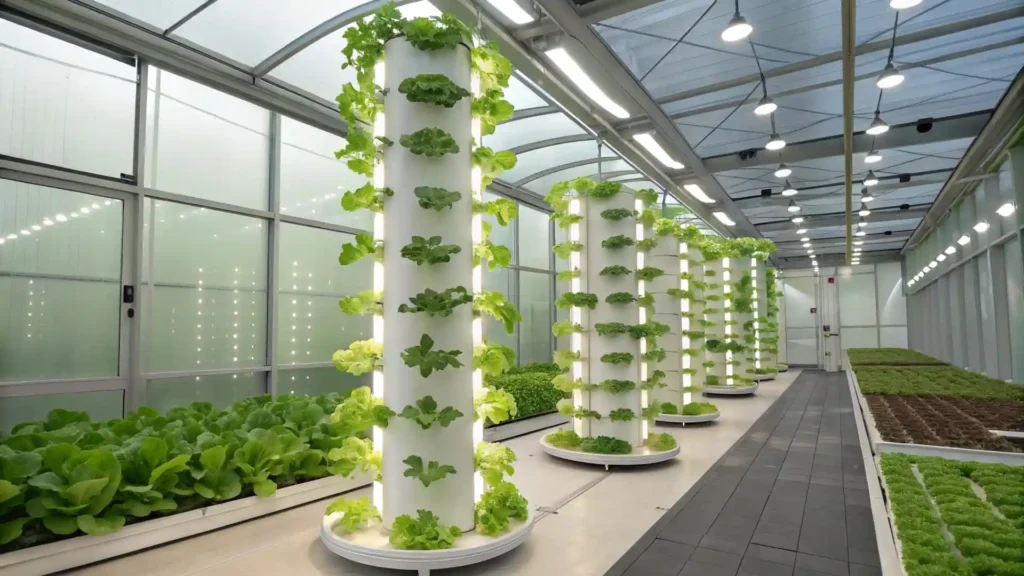
With the ever-growing constraint for space, hydroponics setups are ideal. They can be installed vertically in city homes and buildings where space is limited. More harvest form more plants in less space than conventional farming.
Growth Throughout the Year
In contrast to conventional agriculture, hydroponics enables cultivation throughout the entire year. Indoor systems remain unaffected by seasonal variations, guaranteeing a steady availability of fresh produce.
Minimal Pests and Diseases
Due to its zero-soil method, hydroponics farming invites almost zero pests and diseases. This also ensures healthier, chemical-free plants, due to the zero need for pesticides.
Video Credit: SouthCarolinaETV
Ryan Oates, founder of Tyger River Smart Farm in Duncan, South Carolina, grows produce using hydroponics. This method uses mineral-rich water instead of soil. Watch the video to learn more about its benefits!
How to Set Up a Hydroponics System
Materials Needed
- Growing Tray: Indeed, it holds plants and nutrient solution.
- Reservoir: Moreover, it stores water and nutrients.
- Pump: Consequently, it moves water and nutrients through circulation.
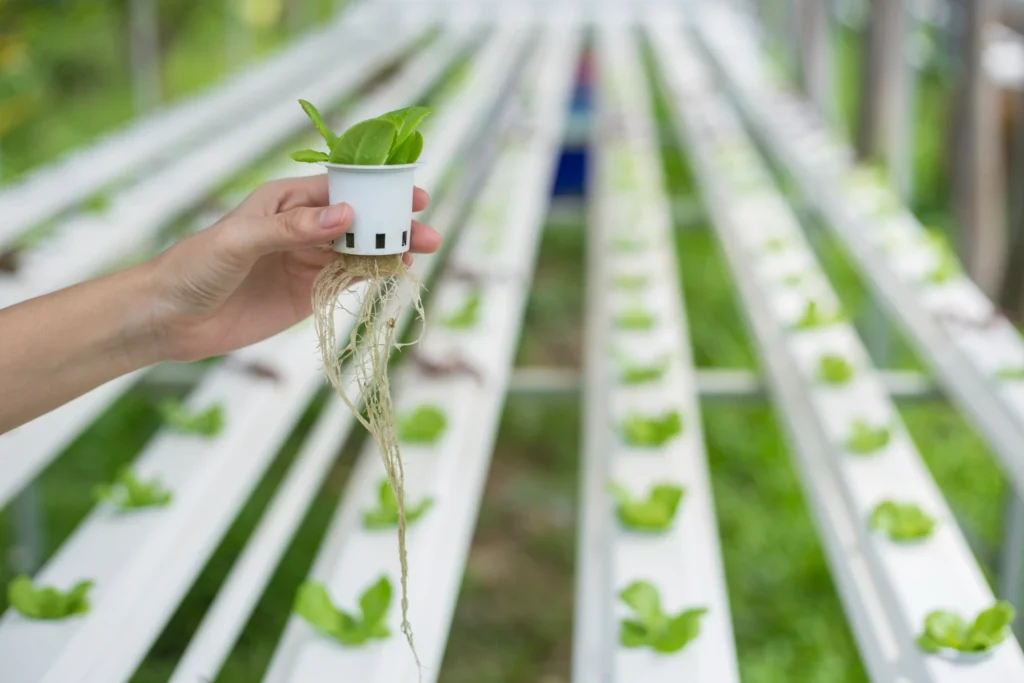
- Medium for Growth: Typically, coconut fibre and perlite are used to support plant roots.
- Nutrient Mix: Therefore, it provides vital nutrients necessary for plant growth and development.
- Light Source: Specifically, for indoor hydroponics setups, fluorescent or LED lights are ideal.
Setup in Steps
- Choose the Right Hydroponics System: Opt for a Deep Water Culture (DWC) or Nutrient Film Technique (NFT).
- Preparation of Hydroponics Farming Reservoir: Mix the nutrient solution in the filled-up reservoir.
- Install the Pump: Ensure it circulates water efficiently.
- Place the Growing Medium: Add it to the growing tray.
- Plant the Seedlings: Insert them into the growing medium.
- Guarantee Appropriate Illumination: For healthy plant development, LED or fluorescent lighting is necessary for an indoor setup.
Hydroponics Garden Care
Track Nutrient Levels
To ensure the nutrient solution is adequately replenished and balanced, above all, do not forget regular check-ups. After all, plants rely entirely on this solution for essential nutrients.
Correct pH Levels Maintenance
Employ a pH meter to regularly check and correct levels as needed. Hydroponics farming systems need an optimal pH range between 5.5 and 6.5.
Ensure Sufficient Lighting
12-16 hours of light is required by plants daily. Employ energy-saving LED lights for ideal growth, particularly in indoor setups.
Clean the System Regularly
Consistently clean the reservoir and pump to avoid algae growth and maintain efficient operation. A clean system enhances plant health.
Prune and Harvest Wisely
Trim plants regularly to promote healthy growth. For fresh, to-the-table home-grown nourishment, harvest the crops at their prime.
Summary
Hydroponics farming is changing the way we look at farming. It is an effective and sustainable way of cultivating plants and a way of life too. For farming enthusiasts, who need yearlong harvests and particularly for city dwellers hydroponics method is the answer. By having the appropriate arrangement and attention, you can savor fresh fruits and vegetables at any time. Start your hydroponics journey today and experience the benefits firsthand!
FAQs
What are the best plants to grow in hydroponics systems?
Hydroponics setups easily adjust to soil-free settings, therefore they are best for herbs, tomatoes, Leafy greens, and strawberries.
Is hydroponics farming costly to start?
The long-term savings on water, fertilizers, and pesticides render it a financially wise option, although upfront they may seem to be expensive.
Can tap water be used for hydroponics?
Certainly, but it needs to be pH-balanced and filtered. Chlorine found in tap water may be detrimental to plants, thus dechlorination is advisable.
What is the frequency of changing nutrient solution?
Monitor nutrient levels consistently to ensure plant vitality, and alter the solution every 2-3 weeks.
Are hydroponics plants different in taste?
Indeed, hydroponics plants frequently have a fresher and more vibrant flavor since they obtain the best nutrients and develop in a regulated setting.
Trending Topics
Large Indoor Plants, Guest Bedroom Ideas, Leather Sectional, Outdoor Plant Stand Ideas, Minimalist Home Decor Ideas, Outdoor Plant Stand, Aquaponics Farming, Alternative Home Decor Ideas – Think Laterally, Summer Plants, DIY Vertical Garden, The Benefits of Closed-Loop Gardening, Diy Gardening, Sustainable Materials, Garden Hoe, Gardening as Therapy, Permaculture, Muhly Grass Care, Wheelbarrow, DIY Garden Ideas, DIY Greenhouse, Cheap DIY Garden Path Ideas, DIY Garden Fence, Snowball Bush, Sustainable Design, Sustainability and Home Decor, Small Kitchen Table Sets For 4, Outdoor Sectional Couch, How To Care For a Peace Lily Indoors, Plant Stand Indoor Walmart, Plant Stand Indoor With Grow Lights, Plant Stand Indoor Tall, Plant Stand Indoor Amazon, Kitchen Decor, Plant Stand Indoor, Snake Plant Benefits, Kitchen Decor Ideas


Pingback: Zebra Plant
Pingback: Mistletoe
Pingback: Dicot