

Garden Soil: The Right Soil = Healthy Garden
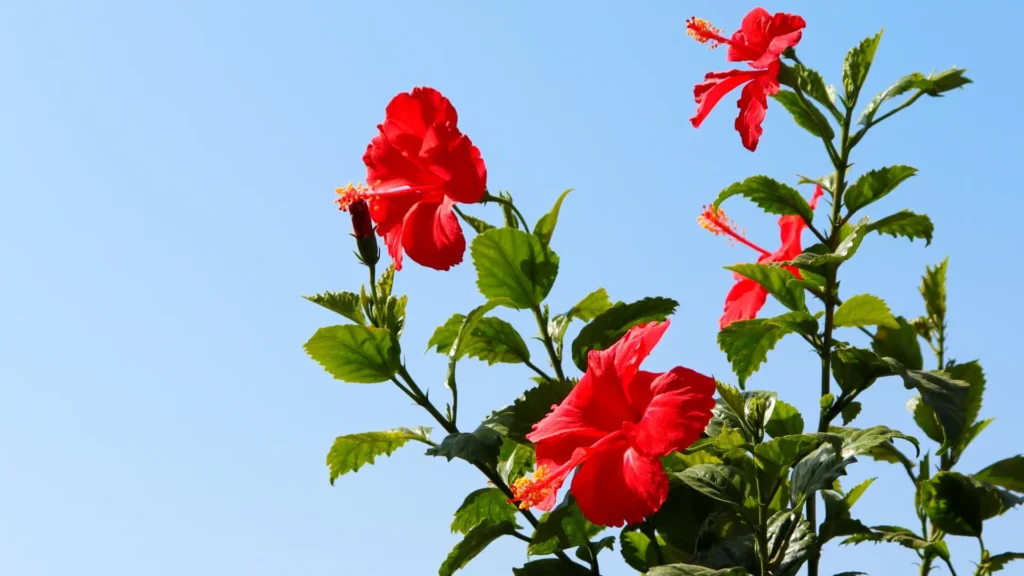
The Hibiscus Tree immediately stops people in their tracks. With big, bold flowers and glossy leaves that shine in the sun, it captivates at first glance. Moreover, in many gardens, it’s the drama and the healer at once. Experience the majestic bloom of hibiscus, while inviting bees and spreading a beautiful, subtle scent in the backyard. Consequently, you will instantly fall for the striking charm as well as the medicinal soft power of this wondrous tree.
Furthermore, discover the Hibiscus Tree’s beauty, Ayurvedic uses, growing tips, and business potential. Finally, explore practical care advice and FAQs.A Quick Comparison: Common Types at a Glance
| Type | Typical Height | Best Zones | Use |
|---|---|---|---|
| Tropical Hibiscus (H. rosa-sinensis) | 4–16 ft | 9–11 | Ornamental, hair & skin remedies |
| Hardy (Rose-mallow, H. moscheutos) | 2–6 ft | 4–9 | Coastal & temperate gardens |
| Rose of Sharon (H. syriacus) | 6–12 ft | 5–9 | Street/hedge planting |
| Chinese Hibiscus / Gudhal (local varieties) | 3–8 ft | 9–11 | Traditional medicine & cultural use |
Sacred Symbolism and Traditional Roles
Across cultures, hibiscus flowers carry offerings, blessings, and stories. For instance, come to South Asia and experience the spiritual power of Gudhal (a hibiscus variety) used in temple rituals as well as festive garlands. Moreover, Ayurveda says that this flower is a symbol of purity and a soother of fiery temperaments. Consequently, this is the very reason why common folks and temple administrators protect hibiscus trees in home gardens and temple grounds.
Hibiscus: A Traditional Medicine Soft Power
From time immemorial, hibiscus has been a classic ally of Ayurveda. Therefore, practitioners of Ayurveda have been using petals and leaves to soothe mucous membranes, cool Pitta (heat), and encourage hair wellness. For example, hibiscus tea for digestive qualities as well as its infusion in hair oils and soaps are well-documented facts, and are also in use today. However, in medicinal use, caution and care must be taken, because they may react adversely with some elements and medications.
Hibiscus and Ecological Impact
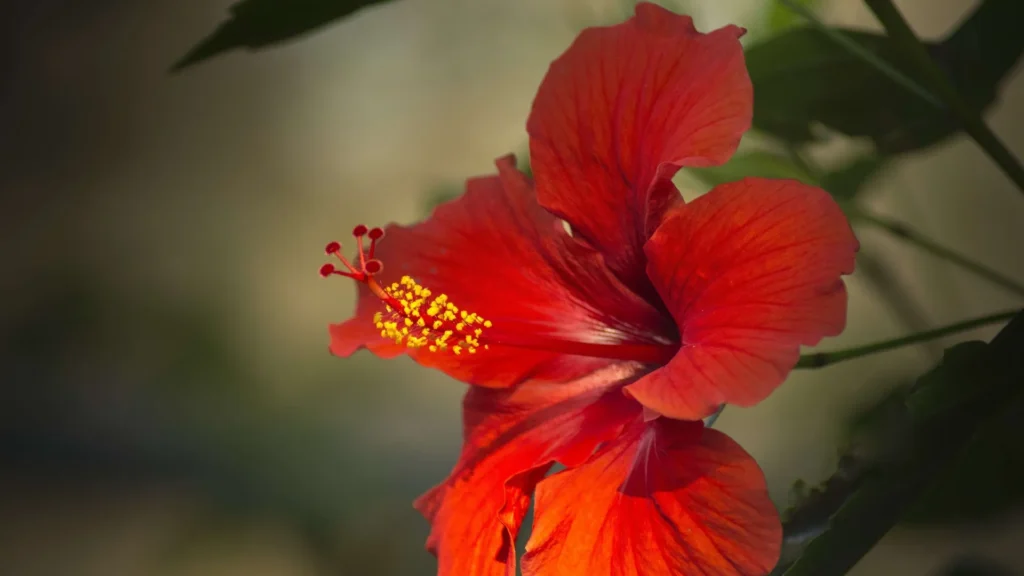
Moreover, bees, hummingbirds, and butterflies gravitate towards its color and the subtle scent of their nectar-rich blooms. In addition, the “bullseyes” featured in the flowers guide pollinators to the nectar. Furthermore, they reduce erosion in warm climates and provide ample shade. Consequently, planting a few adds seasonal nectar as well as visual interest.
Hibiscus Tree: How to Grow and Care For
- Light: Full sun in cool climates. Filtered sun in hot, southern gardens.
- Right Soil: Well-drained loam (moist, fertile). Mulching helps roots to maintain coolness.
- Mindful Watering: Do not inundate roots. Just maintain moisture in the growing season.
- Light Pruning: Just after blooms, prune lightly to support new branches. Hardy types may be cut to the ground in winter.
- Frost: Tropical forms won’t tolerate hard freezes — move pots indoors or protect them.
Hibiscus as an Agricultural / Business Opportunity
Indeed, hibiscus can be more than a garden star. For example, you can sell them to herbal brands that specialize in teas, oils, or extracts. Additionally, flower markets and ornamental nursery sales can also bring you profits. Moreover, varietal choice is the mantra. Specifically, tropical hibiscus is ideal for ornamentation, while hardy varieties can go as cut flowers and to landscaping markets. Therefore, learn the local demand, processing costs, and drying methods before scaling up. Finally, for cultivar guidance as well as market-friendly choices, see this varieties roundup.
It is YOU and YOUR way. Textures, patterns, and colors are mixed and matched for a playful, personalized kitchen. This way YOU shine!
Quick Care Checklist
- Sun: 6+ hours (adjust by climate)
- Soil: Fertile, good drainage
- Water: Moderate, consistent
- Feed: Balanced fertilizer in growing season
- Prune: After peak flowering
- Protect: Overwinter tropical types
Summary
The Hibiscus Tree is a showstopper and a quiet healer. Moreover, it feeds pollinators, lifts a landscape, and carries centuries of cultural and medicinal use. Grow one close to a window, or plant a row along a fence. Either way, expect color, life, and stories.
Indeed, Hibiscus blends beauty and utility. Culturally sacred. Traditionally medicinal. Ecologically valuable. Commercially promising. Ultimately, the hibiscus tree will charm your ambiance with stunning blossoms and bless you with its myriad benefits.FAQs
1. Why are hibiscus trees so sought after?
Their features and qualities are a big plus. Long-lasting color. Pollinator attractors. Traditional remedies. Their bold flowers create visual focal points.
2. How easy are hibiscus trees to plant and thrive?
With a few basics, you are all set: Fertile soil, regular mindful watering, and frost protection for tropical species. Last but not least is they will need good sunlight.
3. Are there medicinal and health benefits in a hibiscus tree?
For centuries, Ayurveda has been known to use hibiscus for skin, hair, and digestive wellness. Modern science has also pointed towards its benefits for blood pressure and as antioxidants, but medical advice is necessary before use.
4. Till what height does a hibiscus tree grow?
It depends. Many garden hibiscus reach 3–8 feet; some varieties grow to 12–16 feet under ideal conditions. Choose a variety that fits your space.
5. What are the plants that complement a hibiscus tree?
Lantana, salvia, coleus, and native grasses are great mates for a hibiscus tree. Plants with complementary light and water requirements are the best.
Trending Posts
Rain Gauge,
Garden Cart,
Fertilizer Spreader,
Electric Pressure Washer,
Pressure Washer Hose,
Ruggable Rugs,
Ottomans,
Grow and Harvest Fennel,
Candle Holder Ideas,
Garden Hose Reel,
Govee Floor Lamp,
Pruning Shears,
Fireplace Mantel Design,
Front Porch Ideas,
Pantry Cabinet,
Closet Door Design,
Herb Garden,
Linoleum Flooring,
Entryway Table,
Home Depot,
Butterfly Garden,
Hydrangeas,
Pergola Designs,
Kitchen Designs,
Pottery Barn Outlet,
Ash Tree,
Fig Tree Care,
Japanese Garden,
Pruning Tomato Plants,
Water-Wise Gardening Ideas,
Smart Home Gardening,
Balcony Design Ideas,
Beginner’s Guide to Composting,
Bedroom Wall Decor,
Beautiful Home and Garden with Natural Materials,
Boxwood Shrubs,
Budget-Friendly Home and Garden Ideas,
Calathea,
Closed-Loop Gardening,
Coyuchi Organic Bedding,
Dicot Plants


Pingback: Zinnia Seeds: Pollinator Magnet, Stunning Blooms