Garden Soil | ytvblog

Garden Soil: The Right Soil = Healthy Garden
Why Garden Soil Matters (And Why You Should Care)

Garden Soil, if chosen the right way, can turn your garden into a green paradise. You plant promising seedlings, yet two months later, they’re yellow, stunted, and disappointing; meanwhile, your neighbor’s plot flourishes. In short, it is rarely the plant — it’s the soil. After twenty years of gardening, I’ll say this plainly: if you want predictable success, start with the right garden soil. For that reason, you’ll find this guide practical, not preachy, and full of things you can do this weekend. Moreover, you’ll learn what garden soil is, how it differs from potting mixes, and exactly how to use it to help your plants thrive.

Learn how the right garden soil transforms plant health — soil types, pH, components, costs, and simple steps to get it right. Grow better this season.

What Is Garden Soil for In-Ground Use?

Garden soil is a harmonious living combination for in-ground planting. It comprises a blend of beneficial microbes, organic matter, and mineral components (sand, silt, clay), providing it with a wonderful structure, nutrients, and water-retention capability. Garden soil provides a perennial food supply to plants, regulates drainage, and supports roots, unlike the common backyard dirt and soil. Plus, quality blends go still further by including composted materials to enhance fertility and amendments to balance texture.

The Game-Changing Benefits of Quality Garden Soil

Enhanced Root Development and Plant Vigor

Good garden soil naturally creates pore space for roots; therefore, they can explore, anchor, and access moisture. Consequently, plants develop stronger root systems and, as a result, resist heat and drought better. For example, additionally, adding organic matter often translates to noticeably fuller root mass and healthier tops.

Better Water Management

Water Less for More Consistent Growth with Quality Garden Soil. It Enhances Moisture Retention and Drainage. Therefore, It Soaks Up Rain but Releases Excess Water to Ward Off Root Rot.

Natural Resilience to Pests and Stress
The Defence Mechanism of Plants Is Enhanced Manifold if They Are Well-Fed and Thrive with Strong Roots. Consequently, Diseases and Infestations Are Kept at Bay with Healthy Soil. Moreover, It Minimizes the Use of Toxic Reactive Sprays.
Garden Soil | ytvblog

Garden soil vs Potting soil: Quick comparison

Aspect Garden Soil (In-Ground) Potting Soil / Mix (Containers)
Intended Use Raised beds, in-ground Containers, seed starting
Texture Heavier, structured Light, fast-draining
Drainage Moderate — holds moisture Superior — prevents soggy roots
Composition Soil particles + compost Often soilless: peat, perlite
Best For Long-term beds, trees, shrubs Potted plants, seedlings

In short, use garden soil to fix or build in-ground beds, while potting mix keeps containers airy and healthy. Do not swap them lightly.

Good Garden Soil: The Vital Components

Good garden soil contains several vital components that work together to support plant health:

  • Organic Matter (30 to 40%): Firstly, the matter should be a treasure trove blend of composted bark, aged manure, and leaf-mold, which feed microbes and also aid in improving texture.
  • Mineral Content (40 to 50%): Moreover, compaction or leaching can be avoided with the right ratio of sand, silt, and clay, giving the soil an advantageous structure.
  • Living Ecosystem: In addition, beneficial bacteria and fungi help free nutrients and protect roots.
Consequently, these vital components, in unison, make the soil act like a living sponge, soaking in the best food for plants.
Garden Soil | ytvblog

Finding the Right pH and Nutrients

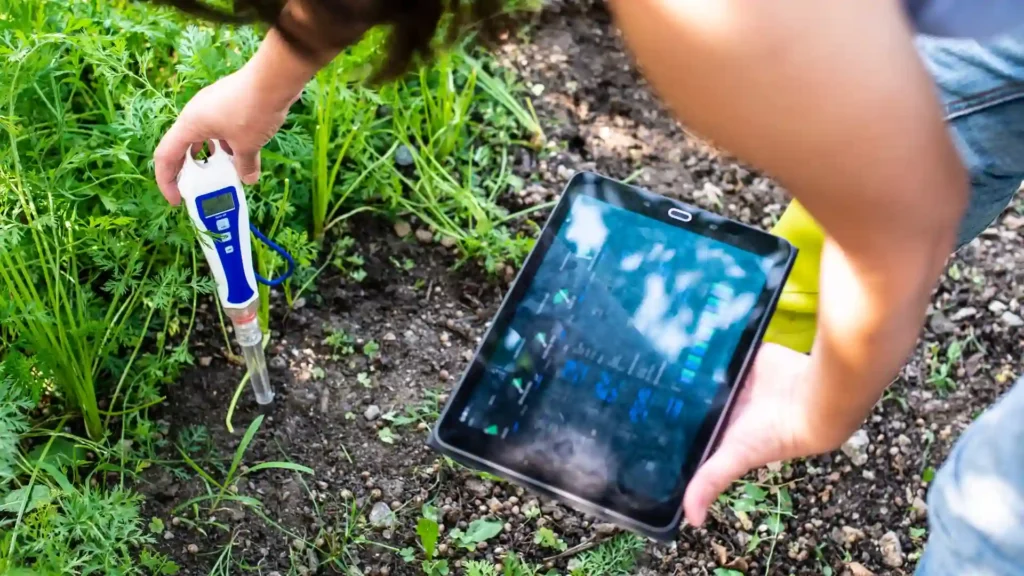
Marginally acidic to neutral soil with approximately pH 6.0–7.0 levels is okay for most plants. However, for instance, 4.5 to 5.5 could be the necessity of more acid-loving plants like blueberries. Therefore, always test before changing anything, because corrective amendments naturally take time and patience. Additionally, you can buy a meter, use home NPK kits, or get a lab test for precision.
Garden Soil | ytvblog

Practical Applications That Actually Work

  • Beds for Vegetables: Firstly, garden soil mixed 3:1 with compost is ideal for raised vegetable beds, supporting appetite-rich veggies such as tomatoes and squash.
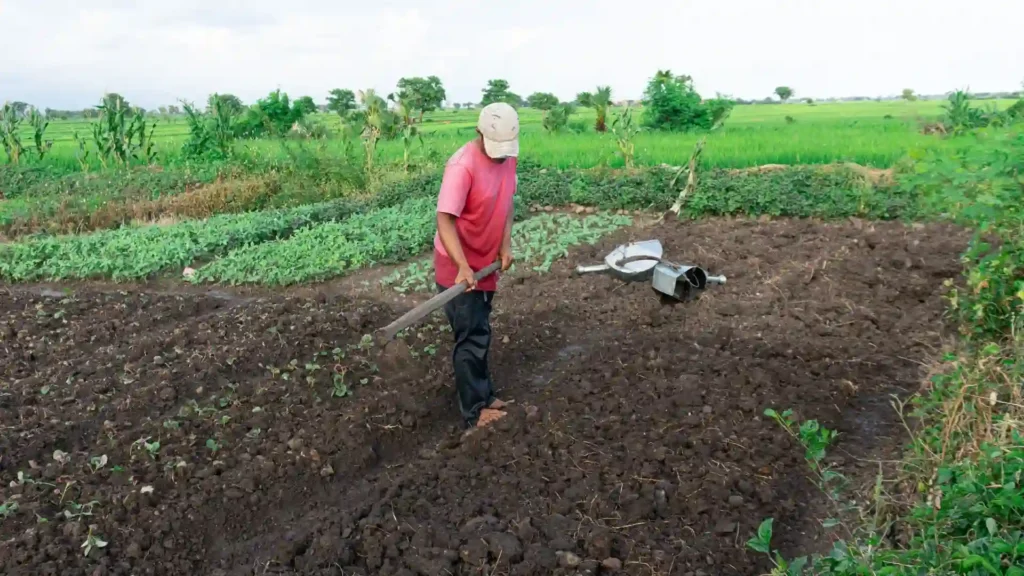
  • Beds for Flowers: Additionally, replace native soil by removing 8 to 10 inches and filling with this planting medium. Moreover, feather the edges to prevent puddles from forming.
  • Trees & Shrubs: Furthermore, backfill planting dug-outs with half the soil mix and half native soil. This approach helps roots expand gradually without girdling.
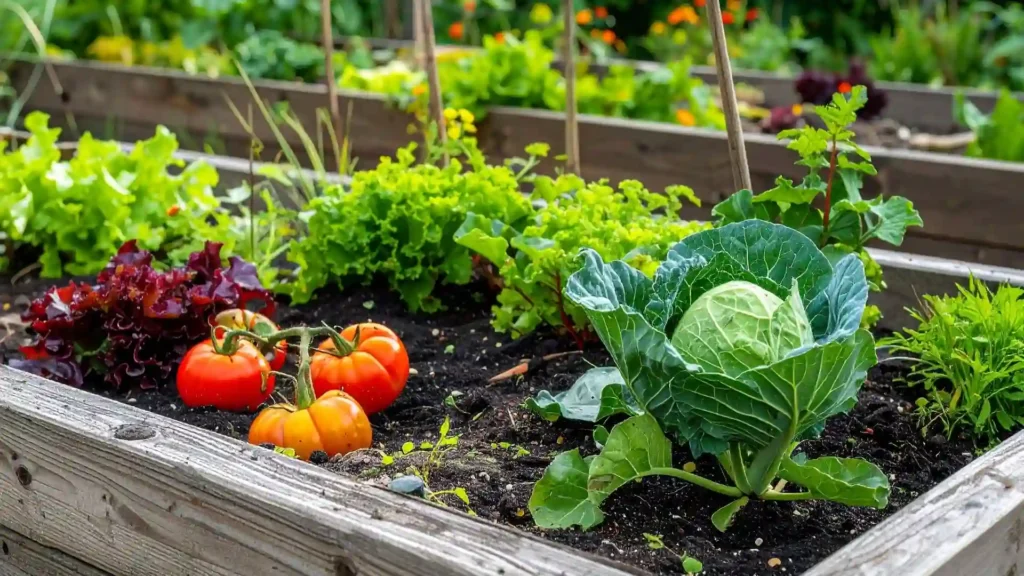
Consequently, take baby steps. Commit to improving the entire yard only after careful evaluation and experience. Also, remember that even great soil settles; therefore, plan to top dress annually.
Garden Soil | ytvblog

Costs and Where to Buy

The Right Destinations

Stand-Alone Nurseries, municipal compost programs, small garden retailers, and big-box stores all offer garden soil. Bagged soil, for instance, can be purchased at ballpark figures of a few dollars per cubic foot. Meanwhile, bulk purchases are typically sold by the cubic yard. Therefore, it is advisable to compare costs, delivery fees, or any other hidden charges before deciding. Additionally, for convenience, Home Depot and local garden centers carry mixes suitable for raised beds and in-ground repair.

Actionable Tips

  • Start Small: Test one raised bed first, and observe for a season.
  • Blend Gradually: Mix into transition zones to avoid layering problems.
  • Feed Biologically: Support microbes by adding compost each spring and fall.
  • Drainage Management: Raise the bed or add coarse compost if waterlogging is the issue.
  • Test pH: Measure before planting and again annually; amend slowly.
Summary

Garden soil is not just dirt. Instead, it provides structure, balances water levels, and delivers essential nutrition to plants with a curated blend of beneficial natural components. Moreover, your frustrating journey in the garden can be alleviated by choosing the right garden soil. As a result, your plants grow healthy, wealthy, and wise. In a nutshell, invest in the right soil, and consequently, discover how your garden gives back a bountiful harvest and lasting charm.

FAQs

1. What is Garden Soil?

Garden soil is a blended in-ground medium of mineral particles, composted organic matter, and microbes designed to support beds and in-ground planting.

2. How does garden soil differ from regular dirt?

Garden soil is curated and engineered to perform duties that regular dirt lacks. It corrects deficiencies in regular dirt by providing structure, blending organic matter, nutrients, and managing water needs, facilitating drainage.

3. What are the first steps to take in using in my yard?

Baby steps. Dig out 6 to 8 inches of native soil, and add this planting medium. Feather the edges with native soil. Combine the soil mix with compost at about a 3:1 ratio in raised beds.

4. What can I do if he soil becomes compacted or waterlogged?

Coarse compost or aged bark is the best possible way to loosen the structure. Raise the bed or improve drainage with coarse organic matter. Avoid working the soil when it’s wet.

5. How much investment is needed?

Prices can be different region-to-region and product-to-product. Premium blends or delivery can be more expensive. Try municipal compost programs for the best value offers. Compare prices at local nurseries and big-box stores before your final buy.

Trending Posts

Leave a Comment

Your email address will not be published. Required fields are marked *

Scroll to Top