
Home » Fertilizer Spreader: Make Your Garden Life Easy
Fertilizer Spreader: Make Your Garden Life Easy
Fertilizer Spreader: Make Your Garden Life Easy
Fertilizer Spreader: Choose, Calibrate, and Use for an Effortless Garden
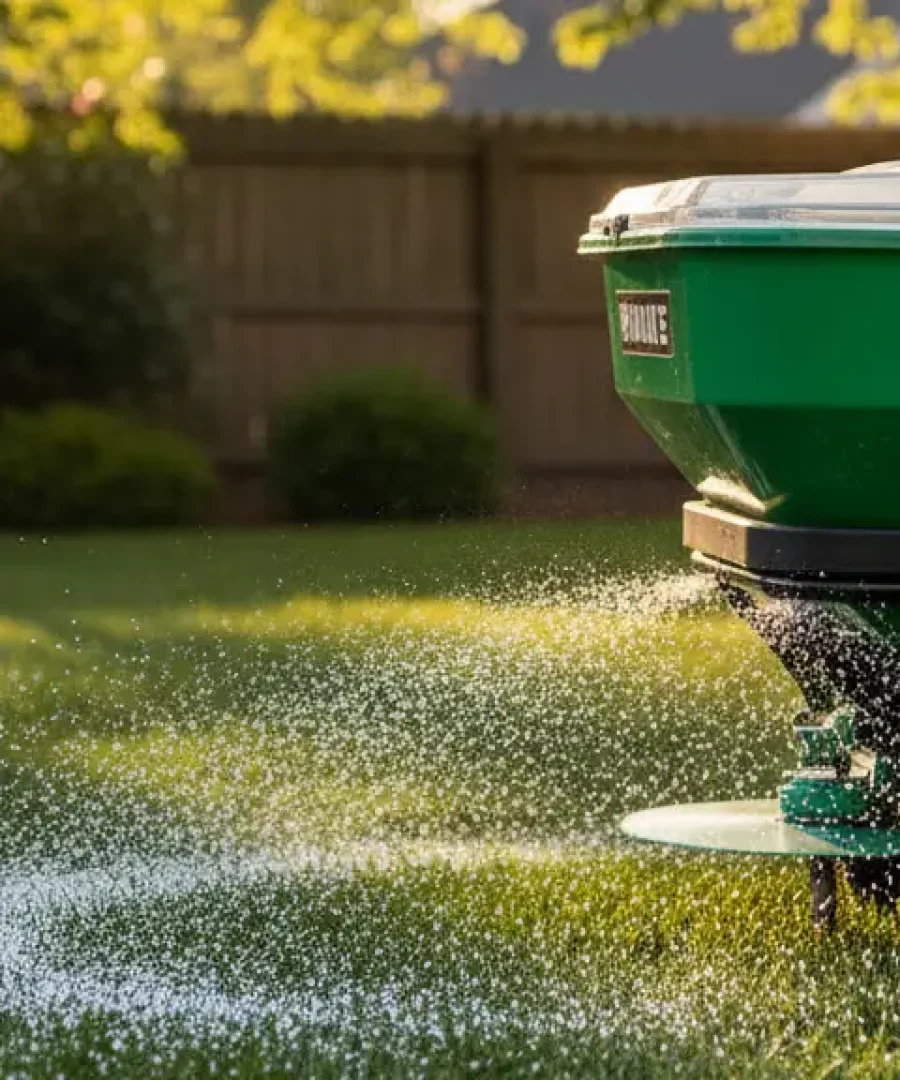
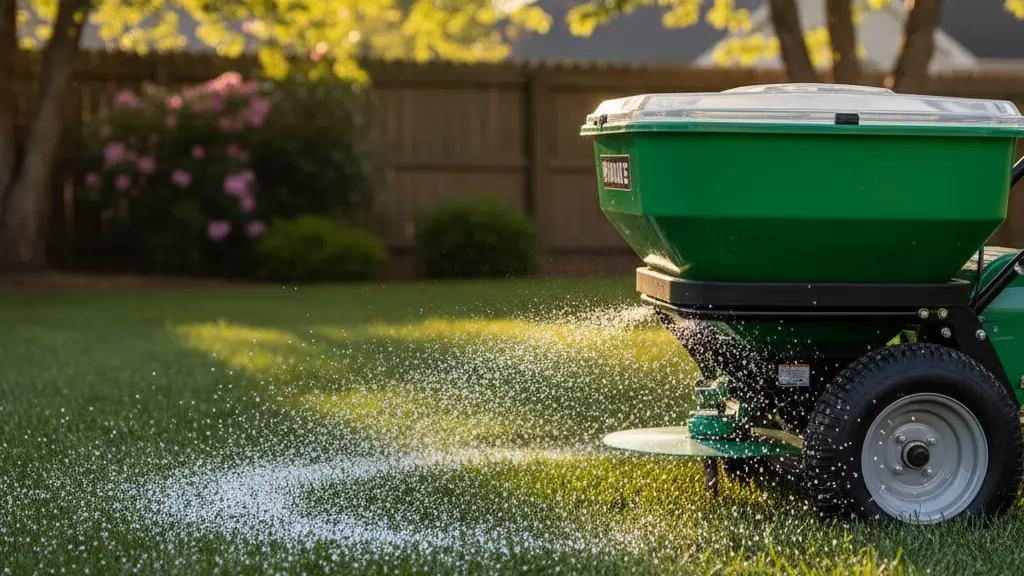
Confessions of an avid gardener: Initially, I always used my hands to scatter fertilizers and, consequently, my yard looked like a polka-dot experiment. However, one fine day, the fertilizer spreader came into my garden life, and suddenly, my weekends got simpler and kinder. Moreover, I realized that a good quality spreader performs by giving consistent results, therefore saving time and minimizing waste. Indeed, fertilizer spreaders are a great help in both compact yards and large patches because they ensure consistent results.
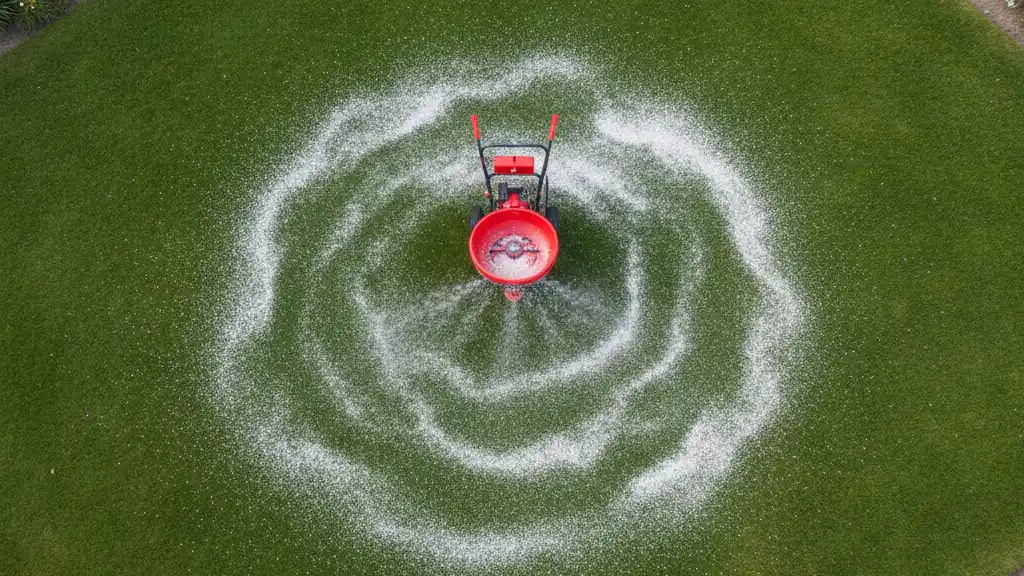
In this article, we will explore first how to select, then calibrate, and finally safely use a fertilizer spreader for even feeding. Additionally, practical tips, comparisons, and quick maintenance advice are all here for you to learn and apply.What Is a Fertilizer Spreader?
Types of Fertilizer Spreaders (Quick Comparison)
| Type | Best for | Pros | Cons |
|---|---|---|---|
| Handheld (rotary) | Tiny lawns, spot jobs | Cheap, portable, easy | Low capacity, more passes needed. |
| Walk-behind broadcast | Medium → large lawns | Fast coverage, even spread | Less precise near beds/edges. |
| Drop spreader | Small yards, precise work | Very accurate, minimal drift | Slower; needs good overlap to avoid missed strips. |
| Tow / Tractor hitch | Large properties | Huge capacity, efficient | Expensive, overkill for small yards. |
How to Choose the Right Fertilizer Spreader
Consider Budget, Lawn Size, and Accuracy Needs
Before choosing a fertilizer spreader, consider budget, lawn size, and accuracy needs. Additionally, other features like hopper capacity, adjustable settings, rust-resistant materials, wheel quality, and side-deflectors for edging control (EdgeGuard style) are important. See product guides for model suggestions.
Small Lawns (Approximately 2,000 sq ft or Less)
- A Handheld or mini drop spreader works well. Furthermore, The Spruce recommends this type for ease of use.
Medium Yards (Approximately 2,000–10,000 sq ft)
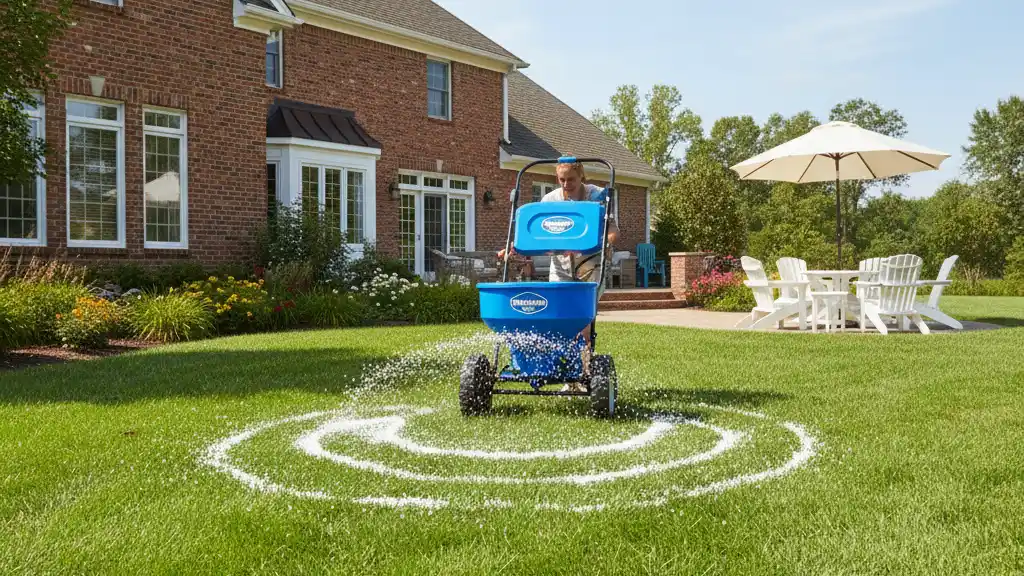
- A Walk-behind broadcast is a great buy. Moreover, Popular Mechanics highlights its efficiency and coverage.
Large Spaces (Approximately 10,000 sq ft or More)
- Tow/tractor or commercial walk-behind spreaders are ideal. In addition, Bob Vila notes their capacity for big properties.
Which Is the Best Fertilizer Spreader?
Advantages of Using a Fertilizer Spreader
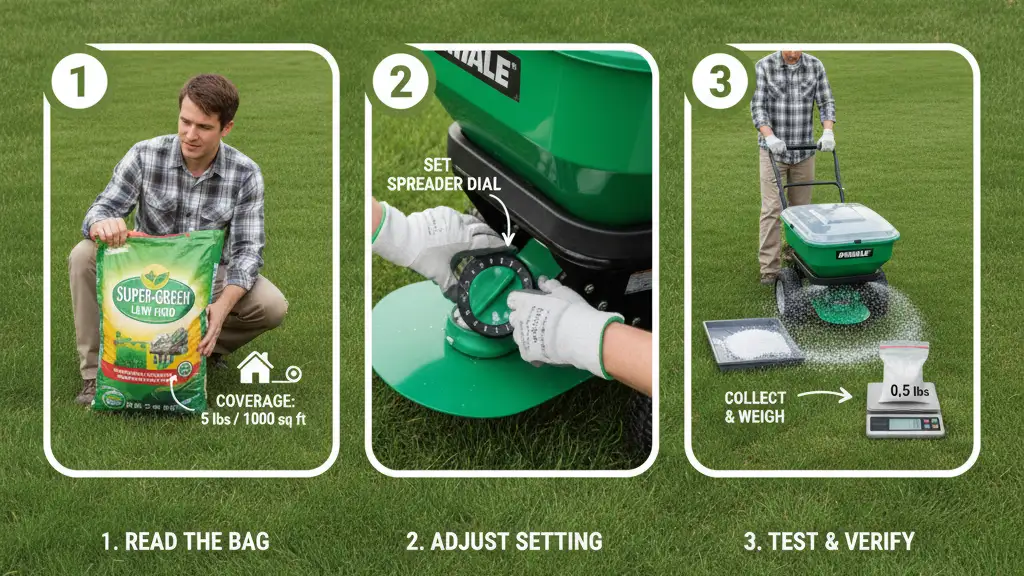
Short but Smart Tips to Calibrate Your Fertilizer Spreader the Right Way
- Firstly, read the fertilizer bag for the target pounds per 1,000 sq ft.
- Secondly, check the manufacturer’s setting chart for your spreader (or alternatively, use extension calibration steps).
- Thirdly, do a test run over a measured strip, collect the material, weigh it, and adjust until the math matches the bag’s recommendation. Penn State and local extension services provide step-by-step procedures.
Working with a Fertilizer Spreader: Safety Tips
- Wear a dust mask, protective eyewear, and safety gloves; these are non-negotiable when using a spreader, especially with dry fertilizers.
- It is advisable to avoid windy days to reduce drift.
- Don’t let fertilizer contact pets or water bodies; use deflectors when needed.
- Clean the spreader after use and store it in a dry place to prevent corrosion.
Quick Table: When to Use Broadcast vs Drop
| Situation | Use Broadcast | Use Drop |
|---|---|---|
| Big open lawn | ✅ | ❌ |
| Near flower beds/paths | ❌ | ✅ |
| Overseeding large area | ✅ | ❌ |
| Precise fertilizer application | ❌ | ✅ |

