
Home » Electric Pressure Washer: Not-Stop Performers for Homeowners
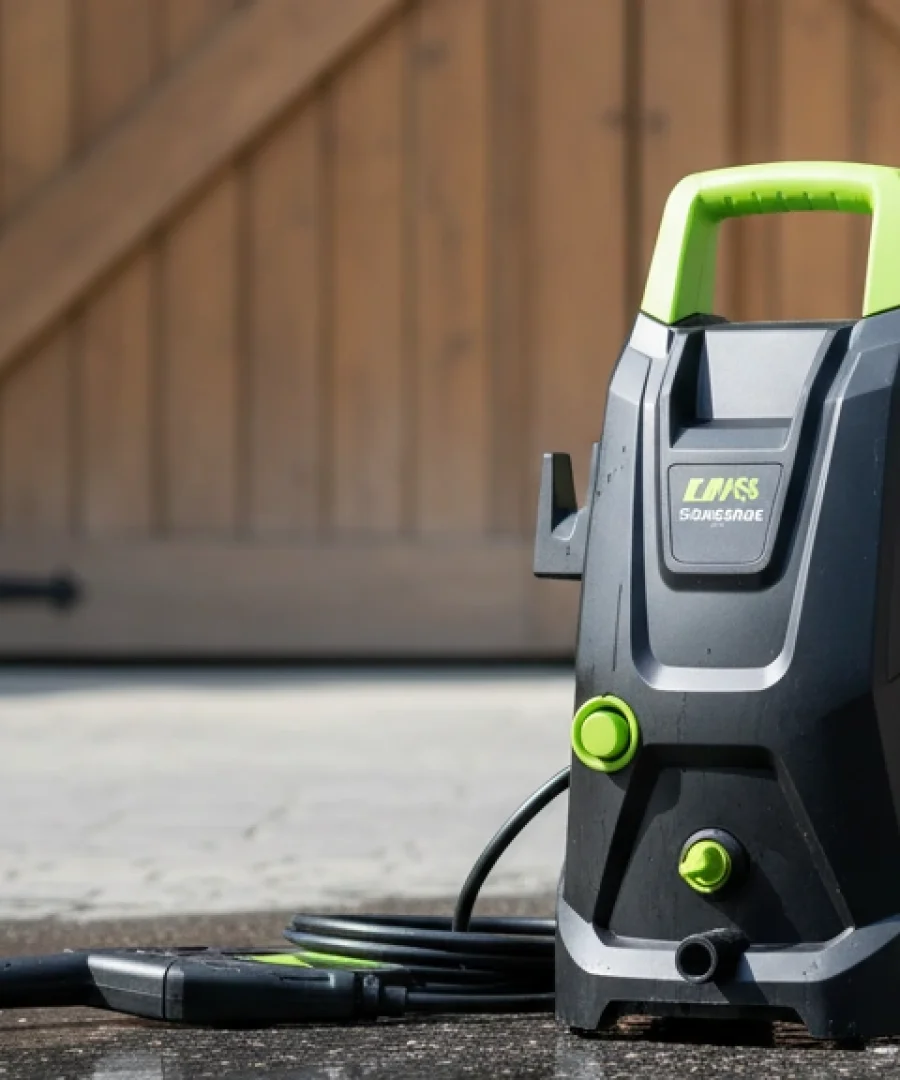
Electric Pressure Washer: Not-Stop Performers for Homeowners
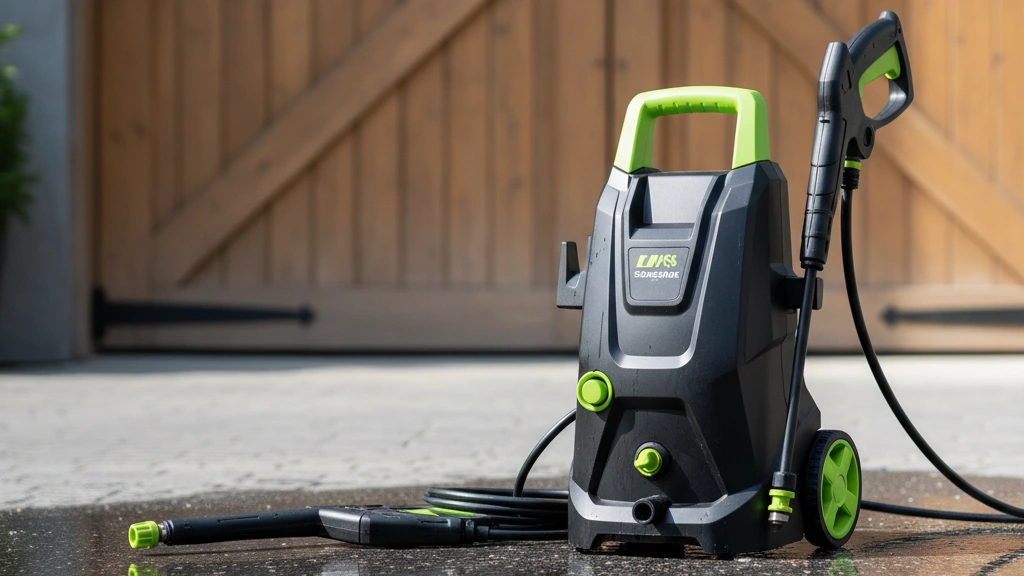
Electric Pressure Washer: Not-Stop Performers for Homeowners
Remember the weekends when you tried to clean ten years of grime off your patio with a scrub brush and a garden hose. Moreover, remember how you got tired, sore, and only halfway done. Then, it was at that moment you borrowed an Electric Pressure Washer from a neighbor and uncovered a remarkable home-care capability. Indeed, silent, easy to use, and surprisingly effective, electric models transformed a labor-intensive task into a thirty-minute endeavor. Therefore, if you seek strength without emissions or mechanical complications, electric is the intelligent, homeowner-friendly option.
Find the Best Electric Pressure Washer ideas for your home here in this article. In addition, concise buying tips, safe PSI for cars, hose choices, water capacity, and quick maintenance.What is an Electric Pressure Washer?
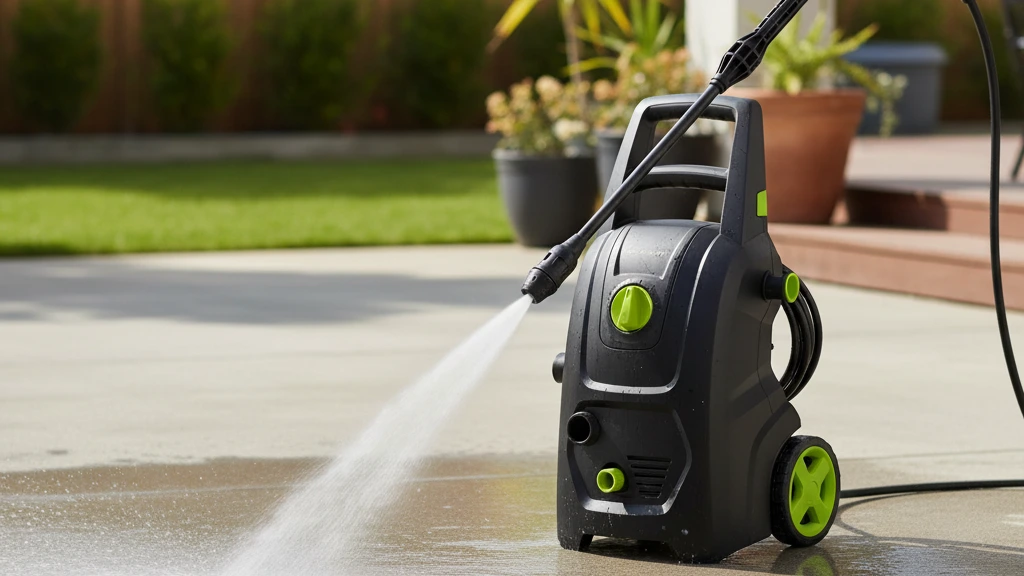
Comparison: Quick Table of Popular Picks
These are popular names that appear frequently and have passed the roundups and hands-on tests. Great to use them as starting points. Not gospel. For detailed model testing and current top lists, see the Popular Mechanics roundup and Road & Track car-wash testing.
| Model (Typical Pick) | Typical PSI | Typical GPM | Best For |
|---|---|---|---|
| Greenworks (2700-ish / GPW2000 variants) | 2000–2700 | ~1.8–2.0 | Heavy home jobs, concrete. |
| Sun Joe SPX3000 | 1450–2000 | ~1.5–1.8 | Value, light decks, cars. |
| Westinghouse ePX3500 | ~2100 | ~2.0 | Pavement, medium-duty. |
| Fanttik NB8 (cordless) | ~2000 (portable) | ~1.5 | Mobile/detailing, no plug needed. |
Why an Electric Pressure Washer Is the Right Choice
- Ease and Noise: Plug in, point, clean. No choke, no gas smell, lower noise.
- Efficiency: Electric units use less water than an open garden hose because higher pressure + nozzle = faster cleaning (and shorter run times). That’s water-smart.
- Cost and Maintenance: More pocket-friendly than many gas models. No more carburetor headaches, and minimal oil changes.
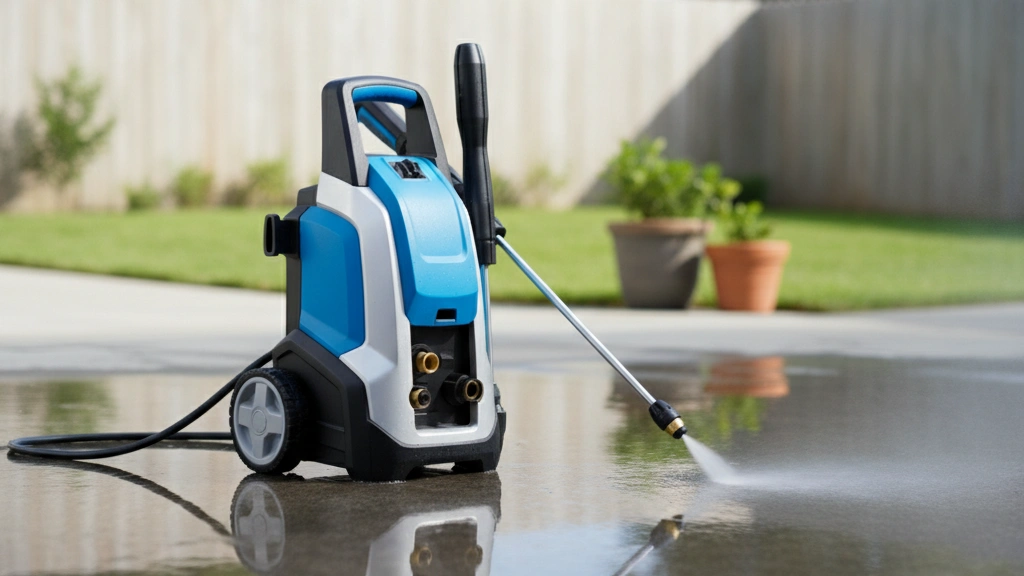
Selecting the Right Hose for Your Pressure Washer
Hose choices matter more than most homeowners think:
- Diameter: For higher-GPM washers (>2.5 GPM) choose a larger internal diameter to avoid flow loss.
- Length: Longer hose = more pressure/flow loss; keep it as short as practical.
- Material and Rating: Use hoses rated for the washer’s max PSI, with reinforced braid or rubber for flexibility and kink resistance.
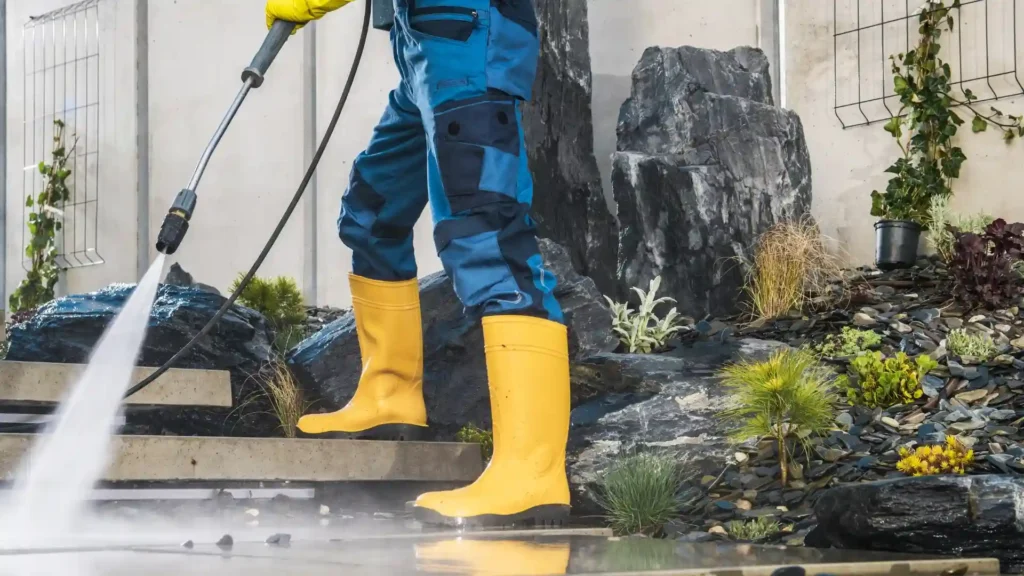
Electric Pressure Washer: Benefits
- Saves Time: Easy to use and almost effortless on patios, siding, driveways, grills, and cars.
- Lower Emissions vs Gas: Better for urban/suburban use.
- Versatile Cleaning: Many models have soap tanks and nozzle variety for gentle-to-heavy cleaning.
Safety tips (real talk from a homeowner)
- First, check recalls/alerts. I once learned a neighbor’s brand had a capacitor recall. Stop use immediately and follow manufacturer guidance. Always check CPSC notices before using an older unit.
- Next, select and use the correct nozzle (delicate surfaces would need wider sprays).
- Also, keep people, pets, or fragile surfaces at a good distance. Do not point the wand at them.
- Finally, waterproof closed shoes and eye protection are necessary when using it.
Maintenance: Common Pressure-Washer & Hose Care
- First, flush the system after each use; run clean water through the soap lines.
- Next, safeguard the longevity of hoses by storing them coiled, away from the sun, in a shaded zone. Replace ASAP if abrasion or bulging appears.
- Also, winterize. In freezing climates, drain well and keep them stored indoors.
- Finally, replace small parts before they fail. Keep an eye out for any compromises in the O-rings, quick-connects, and the pump.

Pingback: Fertilizer Spreader: Make Your Garden Life Easy - ytvblog.com
Pingback: Garden Cart: Your Indispensable Garden Mate