
Home » Cheap DIY Garden Path Ideas
Cheap DIY Garden Path Ideas
Cheap DIY ‘Garden Path’ Ideas: The Pocket-Friendly Way
Add great value to your garden’s beauty without spending a fortune. In fact, you can discover budget-friendly DIY garden path ideas. These easy-to-implement, creative, and cost-effective ideas are perfect for any outdoor space. So, go for it!
Moreover, the functionality, charm, and structure of your outdoor space receive significant value addition with a well-designed and innovative garden path. If the high costs of professional landscaping are deterring you, don’t worry, as there are many DIY solutions that are both attractive and budget-friendly. Whether you prefer rustic, modern, or natural styles – the choice is yours.
Now, come, let us put our heads together to go through this guide and explore several affordable DIY Garden Path Ideas. Additionally, we will explore practical tips for creating stunning walkways in your garden.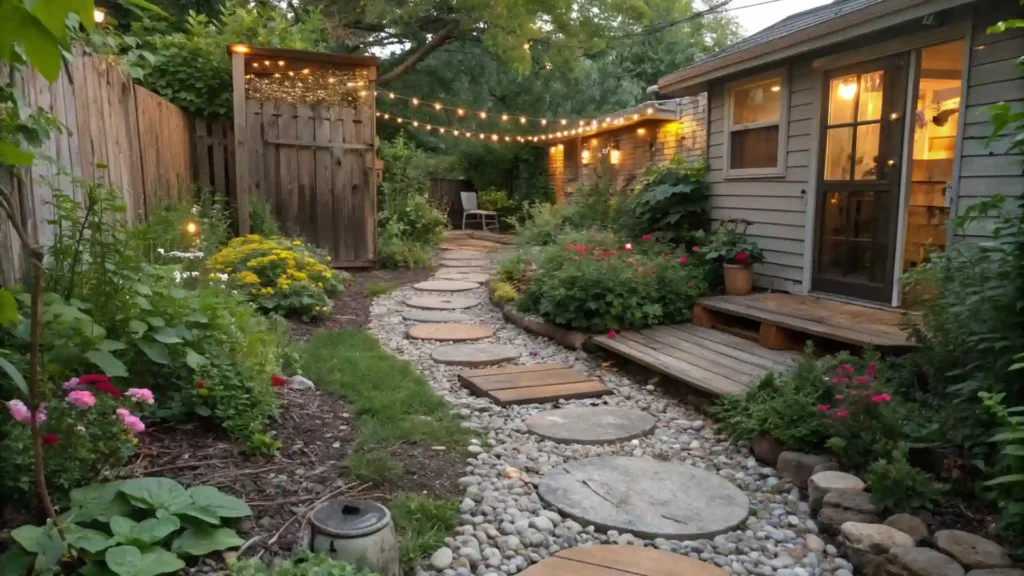
Cheap DIY Garden Path: Plus-Points
- Affordability: You need not break the bank to create splendid pathways in your garden by using recycled or low-cost materials. In fact, this approach makes it possible to design beautiful paths without spending a fortune.
- Customizability: Your personal taste comes above all. Moreover, tailor-made pathways that fit your garden’s layout with your creative drive are entirely possible.
- Functionality: Create clear walkways, define garden spaces, and prevent soil erosion effortlessly. Additionally, these functional paths contribute to the overall organization of your garden.
- Eco-Friendliness: Sustainable or repurposed materials are an integral part of any DIY solution. Furthermore, using these materials helps reduce environmental impact while beautifying your outdoor space.
Cheap DIY Garden Path Ideas
Gravel Garden Path
Materials:
- Gravel, weed barrier fabric, edging material.
Instructions:
- Clear and level the garden path area.
- Lay down weed barrier fabric to prevent weeds.
- Add a border using bricks, wood, or metal edging.
- Spread gravel evenly across the path.
Cost-Effective Tip:
- Purchase gravel in bulk to reduce costs.
Mulch Garden Path
- Mulch (wood chips or bark), landscape fabric.
- Mark out the path and remove grass or debris.
- Lay landscape fabric to suppress weeds.
- Spread a thick layer of mulch along the pathway.
- Mulch is inexpensive.
- It lends a natural look to your garden.
- Very easy to install.
Stepping Stones Garden Path
Materials:
- Large flat stones, pavers, or even DIY concrete molds.
Instructions:
- Firstly, place stepping stones evenly along your desired path.
- Secondly, ensure they are level and secure by embedding them slightly into the soil.
- Then, add soil or gravel around the stones for stability.
DIY Tip:
- Additionally, use concrete molds to create personalized stepping stones with patterns or imprints. This approach gives your garden path a unique and custom appearance.
Recycled Brick Garden Path
Materials:
- Old bricks or pavers, sand, and leveling tools.
Instructions:
- Firstly, consider patterns like Herringbone, Basket Weave, or any design of your choice to arrange bricks or pavers.
- Secondly, level the surface with a layer of sand.
- Then, use sand or soil to fill gaps between the bricks for a stable, secure surface.
Eco-Friendly Choice:
- Additionally, demolition sites or recycling centers are the best places to source bricks, making this project both cost-effective and environmentally friendly.
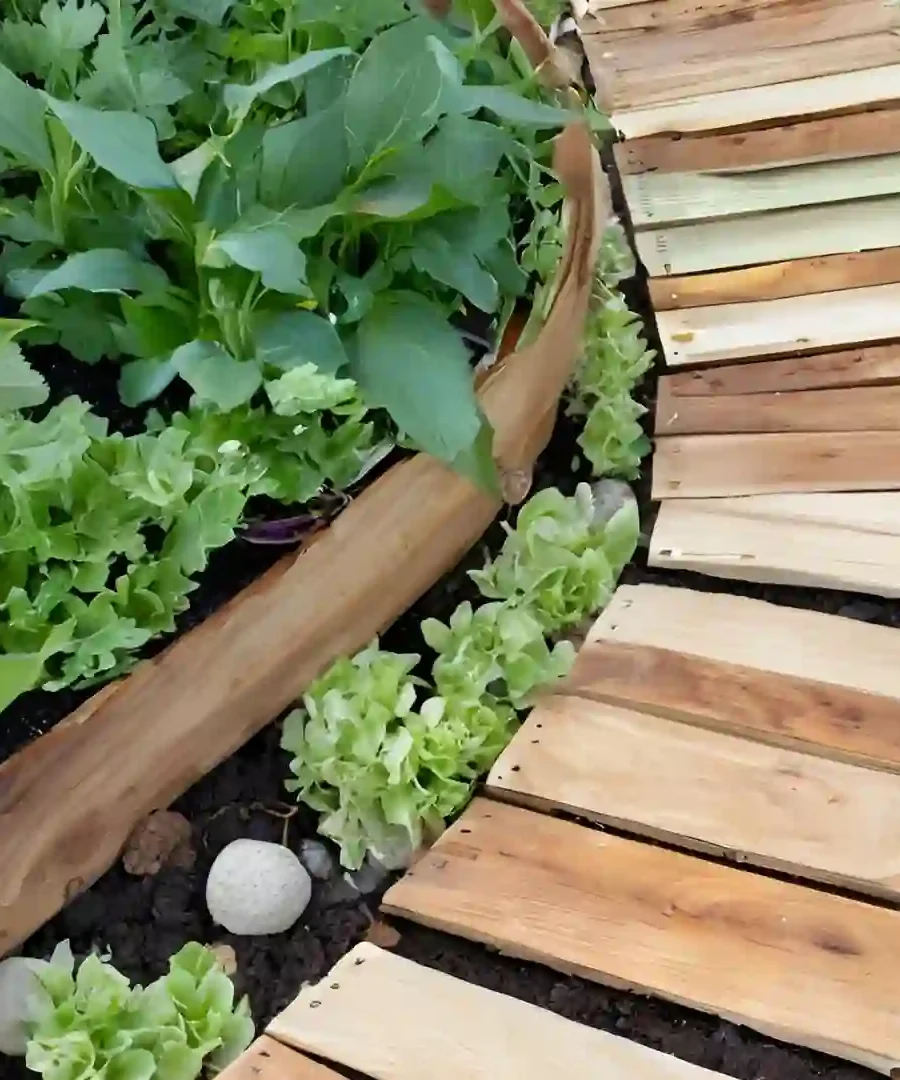
Pallet Wood Garden Path
- Wooden pallets, nails, and a saw.
- Firstly, dismantle the pallets and cut the wood planks to your desired size.
- Secondly, lay the planks directly on the ground or secure them to a simple wooden frame for added stability.
- Then, use a weatherproof sealant to treat the wood for longevity, ensuring it withstands the elements over time.
- Additionally, reach out to local businesses for free or inexpensive pallets, which can help reduce costs significantly.
Pebble Mosaic Garden Path
- A trowel, pebbles, and cement.
- Fill a layer of cement into a dug-out shallow trench.
- While the cement is still wet, arrange pebbles into designs and patterns of your choice.
- Allow the cement to set before using the path.
- Use contrasting pebble colors for intricate designs.
Recycled Concrete Slabs
- Broken concrete slabs or large pavers.
- Firstly, arrange broken slabs in a puzzle-like fashion to create an interesting design.
- Secondly, achieve a natural finish by filling gaps with gravel, soil, or moss for an organic look.
- Then, ensure the slabs are level to prevent tripping hazards and create a safe path.
- Additionally, look for free or discounted concrete on local marketplaces, which can help you save on materials.
Grass and Stone Path
- Pavers or flat stones, grass seed or sod.
- Firstly, place the stones along your pathway, leaving gaps for grass to grow.
- Secondly, sow grass seeds or lay sod in the gaps to encourage growth.
- Then, maintain regular mowing and watering to keep the path healthy and lush.
- Additionally, these designs blend seamlessly with lawns and gardens, enhancing the overall aesthetic.
Rope-Edged Gravel Path
- Gravel, thick rope, and stakes.
- Firstly, lay a rope secured with stakes along the bordering edges of the path.
- Secondly, use gravel or mulch to fill the pathway, covering the area evenly.
- Then, adjust the rope as needed for a curved or straight path to match your design.
- Additionally, rope edging gives a rustic, nautical aesthetic that complements outdoor spaces beautifully.
Upcycled Bottle Path
- Glass or plastic bottles.
- Firstly, dig a trench along the path’s border to prepare for the edging.
- Secondly, insert bottles upside-down to create a unique and effective border for your path.
- Then, use gravel, mulch, or soil to fill the pathway and complete the look.
- Additionally, for an artistic, creative touch, use colorful bottles to add a pop of color to your garden path.
How to Plan Your Cheap DIY Garden Path
Assess Your Garden Layout
- Identify areas where a path is most needed.
- Consider traffic flow, sunlight, and water drainage.
Choose the Right Materials
- Select materials that suit your garden’s style and weather conditions.
- Make a responsible decision to use sustainable or recycled materials where possible.
Ground Preparation
- All debris, grass, and weeds must be removed before starting.
- Level the ground to ensure stability.
Tips for Maintaining DIY Garden Path
- Regularly remove weeds or debris from paths.
- Replenish materials like mulch or gravel as needed.
- Inspect for uneven surfaces and repair promptly.
- Use weatherproof sealants for wood paths.


Pingback: Garden Hoe