
Home » Black Mulch: Enhancing Garden Soil Health, Weed Control, and Plant Growth
Black Mulch: Enhancing Garden Soil Health, Weed Control, and Plant Growth
What Is Black Mulch?
Organic to the Core
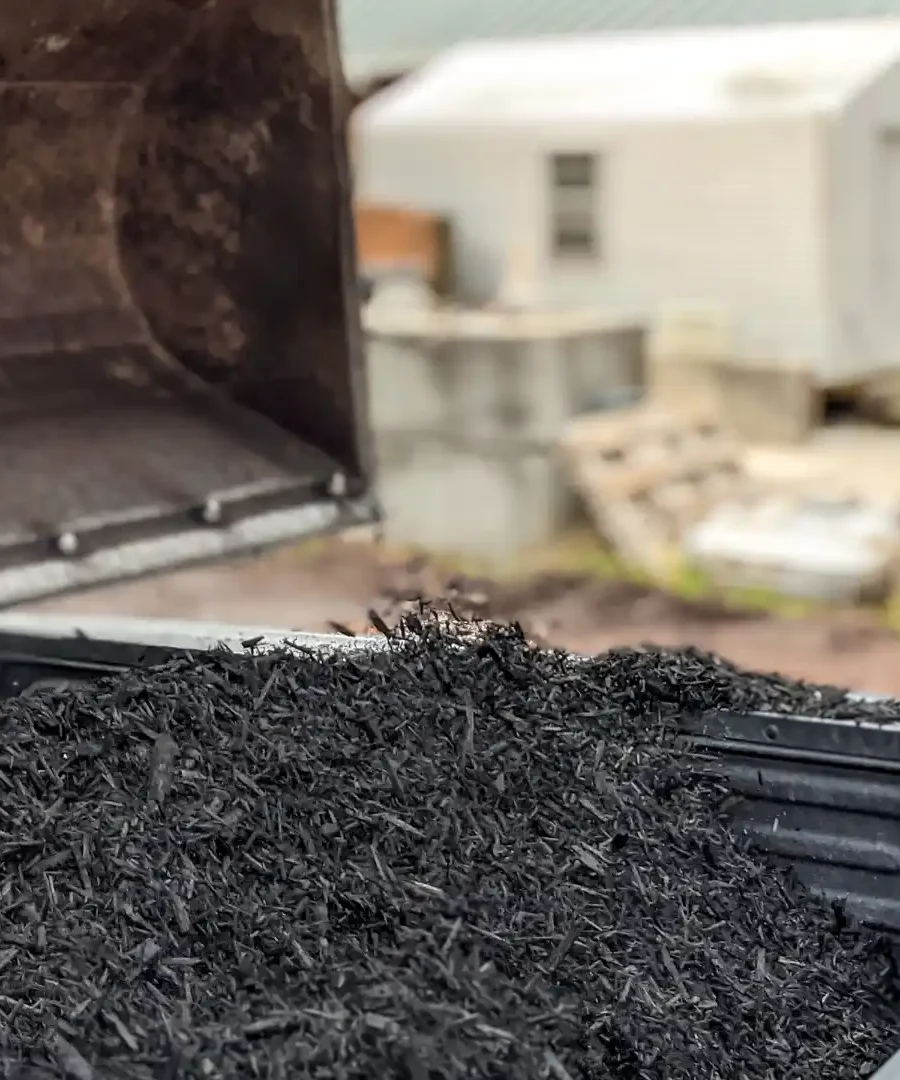
Black mulch is an organic composition. It is commonly crafted with bark or wood chips. It is then dyed with safe, iron oxide-based colorants. The dye lends it that bold, dramatic dark finish and allows the black mulch to last much longer than plain mulch.
Unlike plain mulches that fade after a couple of months, Black mulch keeps its color intact throughout the season, unlike plain mulch that fades easily. Quality compositions are made with hardwood bark, recycled wood products, and binding agents for durability and robustness. Moreover, they are totally safe for your plants, pets, and family.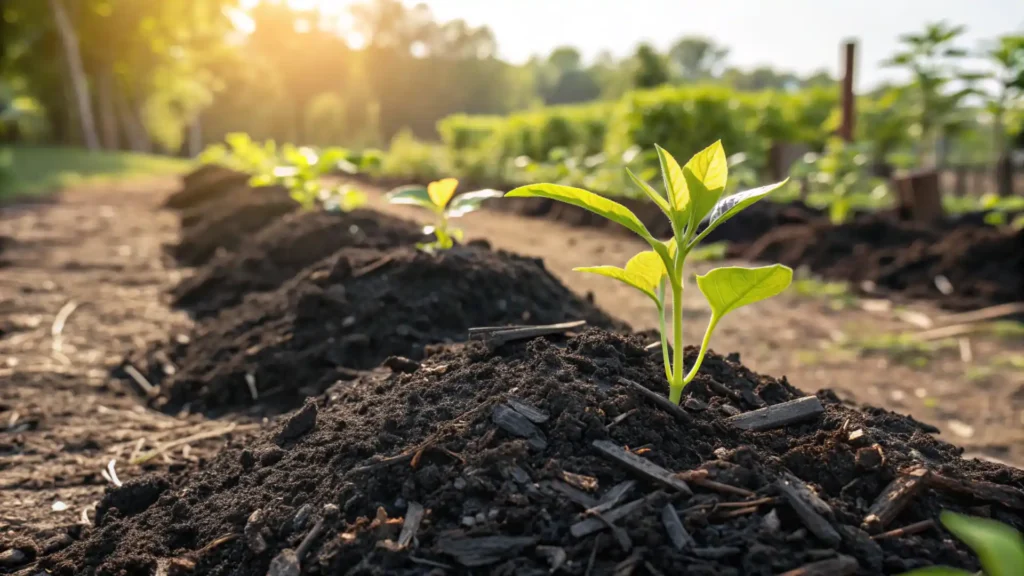
The Superpowers of Black Mulch
Weed Warrior Extraordinaire
Do not spend your valuable weekends pulling weeds when black mulch is around. Their make supports it to block sunlight, preventing weed seeds from sprouting. Be assured, as 80% of weed worries are weeded out.
Sneaky weeds can be spotted easily due to the contrast of the dark color. You remove them as soon as you spot themMoisture Master and Temperature Regulator
The weed warrior has another sterling quality. Black mulch soaks up heat in the daytime, releasing it slowly and gently. This wonderful feature performs like a snug thermal blanket for roots, extending your growing season and supporting stronger root systems.
70 percent of water evaporation is also arrested by black mulch. Therefore, low water bills are due to less watering and conservation of resources.Why Black Mulch Earns the Title of Soil Superhero
The power of Black Mulch in soil
You are wrong if you ever thought black mulch as a garden cover. It has the power to break down gradually, enriching the soil with organic nutrients. It is your potent slow-release fertilizer.
Earthworms and microorganisms, beneficial for plants, thrive in it. In the bargain, they aid in soil texture enhancement, aeration of the soil, and provide access to nutrients for plants. In time, your plants are blessed with crumbly, healthy soil for deep-rooted growth.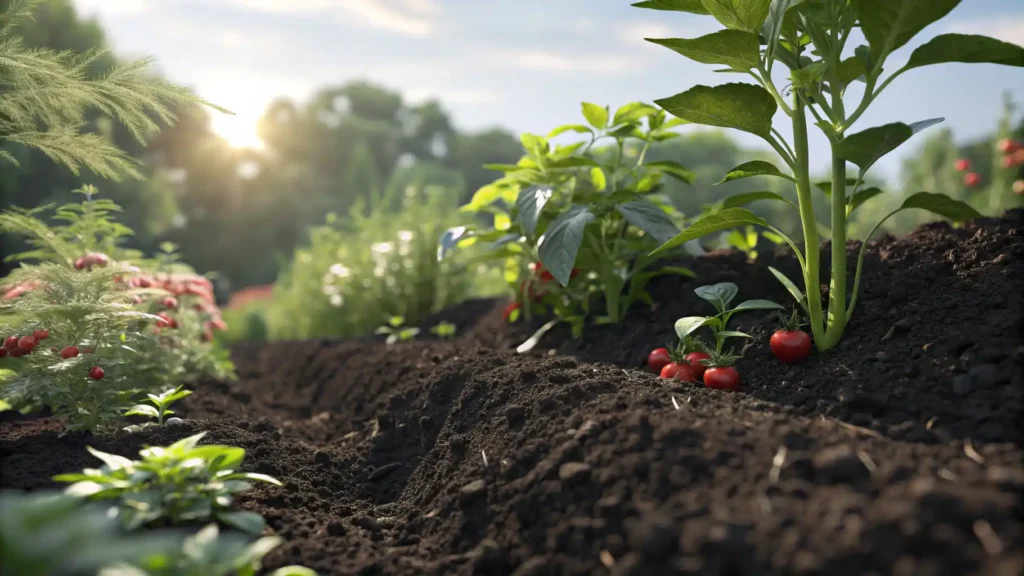
Use: Step-by-Step
- Pull out and discard weeds. Clean the planting spot of debris.
- Before mulching, water the plants.
- Create clean lines to edge the beds.
Application Process
- Mulch should cover 2 to 3 inches in depth.
- Stems and trunks should be 2 to 4 inches away from mulch.
- Facilitate drainage by forming soft slopes at a distance from the plants.
- As color starts to fade, renew the layer every year.
Composition of Black Mulch
| Component | Percentage | Purpose |
|---|---|---|
| Hardwood Bark | 60 to 70% | Provides organic matter |
| Wood Chips | 20 to 30% | For additional structure and air pockets |
| Colorant | 2 to 5% | Iron oxide with a UV-resistant feature |
| Binding Agents | 3 to 7% | Slows the breakdown process |
Choosing the Right Black Mulch
- For vegetable patches: Finely shredded mulch. It releases nutrients swiftly by decomposing quickly.
- For perennials and shrubs plantation: Coarser wood-chip mulch. Requiring fewer touch-ups and lasting longer.
- Sourcing Tip: Go for the earthy-smelling mulch. Avoid mulch that smells sour or ammonia-like.
Sustainability
Cautions While Using Black Mulch
- Buying mulch from questionable sources, lured by a lower price, is a Big No. They could be made from contaminants or treated wood.
- Prevent root suffocation by keeping the depth under 3 inches.
- Watch out for “volcano mulching” around tree trunks, which encourages rot and pests.
Where to Source—And the Costs
| Source | Cost per Cubic Yard | Pros | Cons |
|---|---|---|---|
| Local Nurseries | $35–50 | High quality, advice | Slightly higher cost |
| Home Improvement Stores | $25–40 | Convenient access | Quality varies |
| Mulch Suppliers | $20–35 | Bulk discounts | Large minimum orders |
| Municipal Programs | $10–20 | Very affordable | Limited availability |
Summary
Black Mulch, your true soil superhero with a dark, dramatic demeanor. Moreover, the warrior fights to suppress weeds, manage moisture levels, conserve water, and facilitate nutrient supply by enriching soil health. Indeed, it checks all boxes. Mindfully chosen, procured, and applied, it creates vibrant landscapes with minimum effort.
The secret mantra lies in buying good quality, applying it at the right depth, and picking the right texture for your plants. For instance, whether you’re starting new garden beds or giving existing ones a boost, Black mulch is the necessary foundation for healthier soil. Additionally, whether you are embarking on a new journey or needing to boost your existing yard, it ensures lush gardens, healthier plants, and the joy of nature’s blessings.FAQs
1. What is Black Mulch?
2. Does soil health improve with Black Mulch?
Indeed, it slowly breaks down to feed plants with nutrients while housing earthworms and beneficial microorganisms. It also improves soil texture and promotes strong, healthy roots.

