
Home » Pruning Shears: Master the Cut in Your Garden
Pruning Shears: Master the Cut in Your Garden
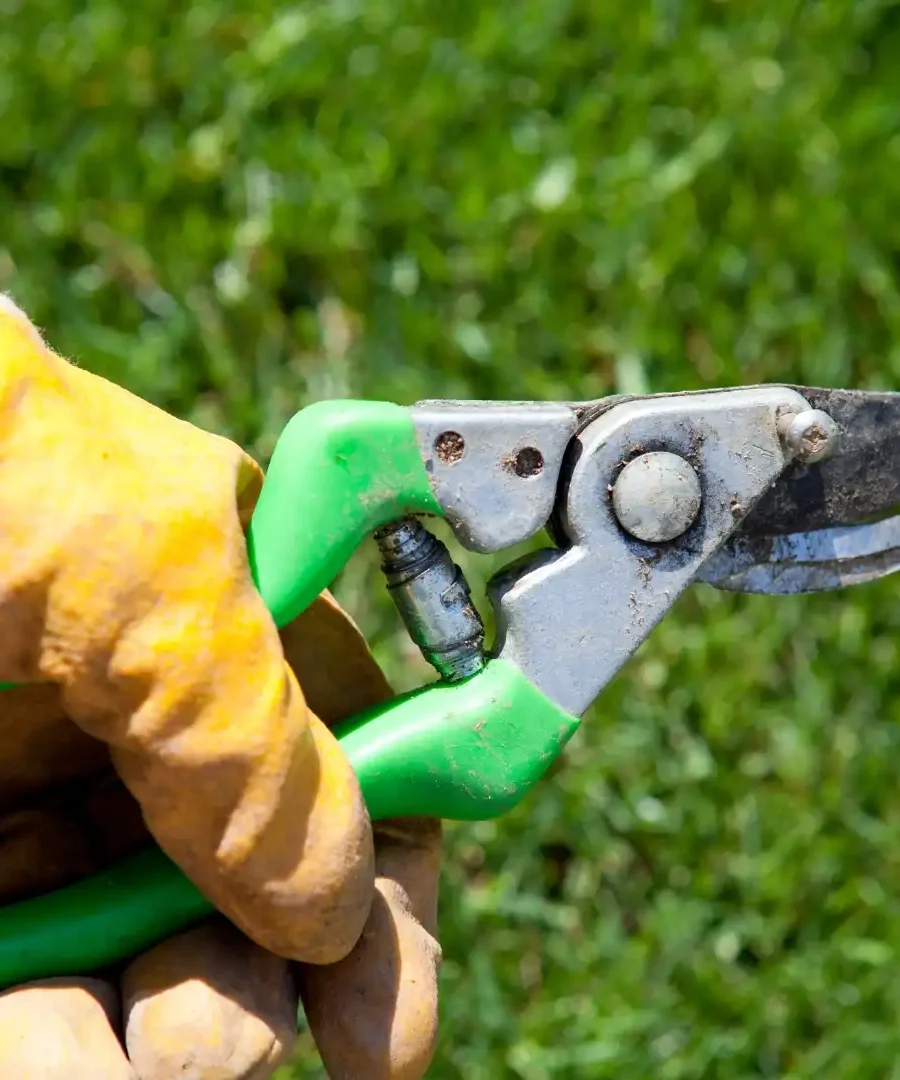
Pruning shears are the gardener’s scalpel. They shape growth, heal wounds, and keep plants tidy. This guide explains what pruning shears are and how to choose yours.
Why Pruning Shears Matter
First, precise and sharp cuts are vital to the plant’s health. As a result, they recover faster and stay healthy. Moreover, precise single-handed cuts on small branches and stems are possible with qualitatively built pruning shears. In addition, day-to-day garden care and maintenance of rose plants, shrubs, and erratically growing branches needs a good pruner. Finally, they also prevent disease by removing damaged growth and encourage stronger seasonal regrowth.
What Are Pruning Shears?
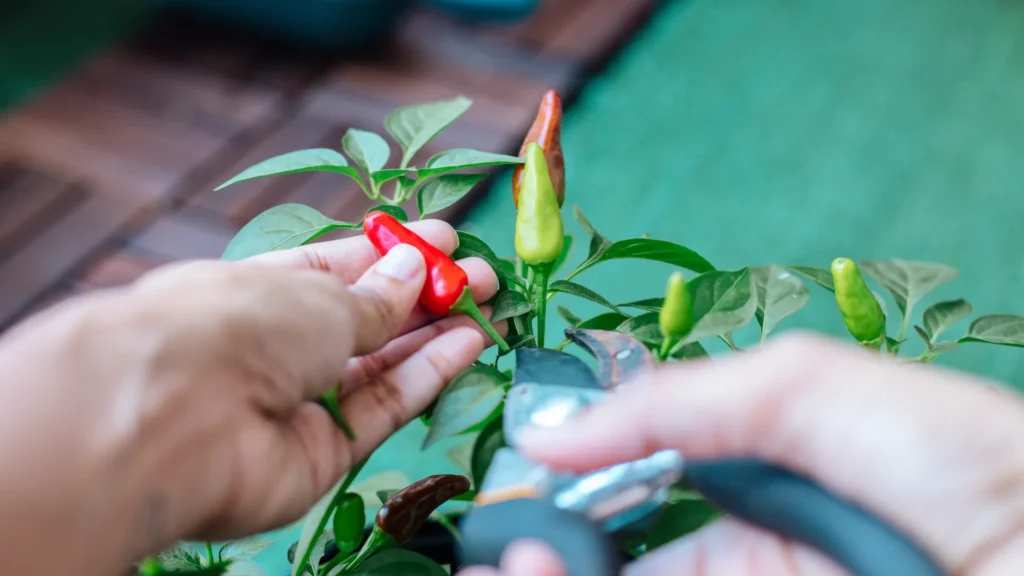
Pruning shears are manually used, handheld cutting tools for garden care. They are primarily used to prune stems and small branches. Moreover, they are called by different names like pruners, secateurs, or hand pruners. Since pruning woody stems and rose canes is not possible with scissors for precise cuts, therefore, pruning shears are used. (Better Homes & Gardens)
Pruning Shears Meaning
In plain words, pruning shears trim growth and remove dead material. Additionally, they are designed to cut precisely, so as not to damage any healthy tissue. As a result, this helps direct plant energy and maintain structure. (Better Homes & Gardens)
Types of Pruning Shears and How They Cut
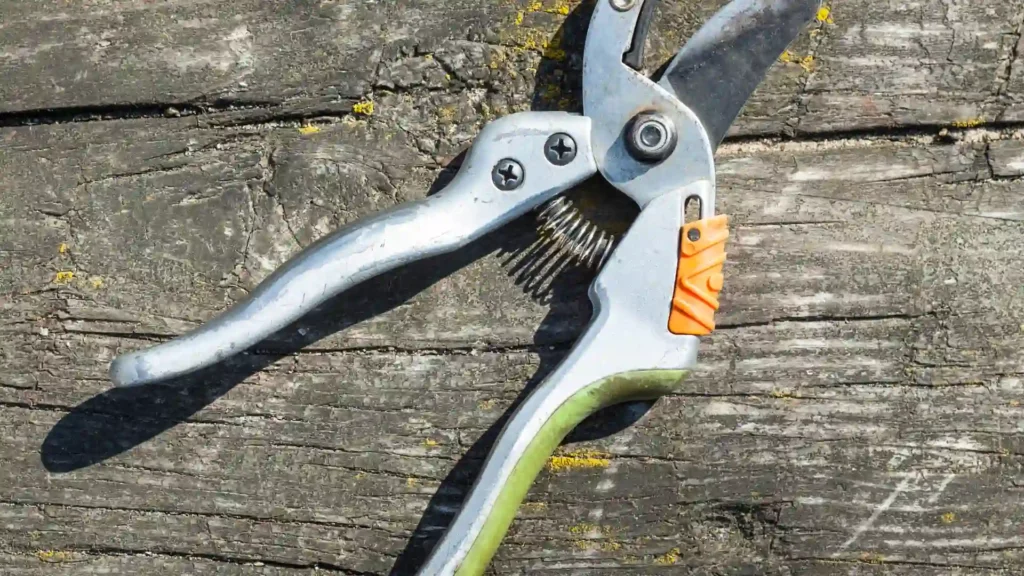
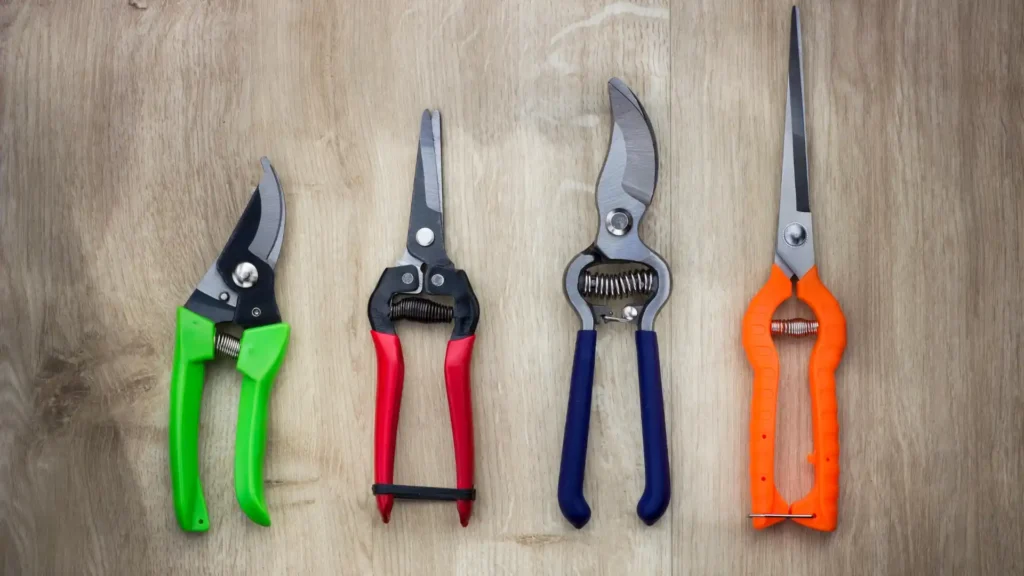
Gardeners choose between bypass, anvil, ratchet, and ratchet-like designs. Then, each of these types, in turn, suits different plants, hands, and cutting styles.
Bypass shears
Bypass shears cut like scissors. In this design, two curved blades pass each other for a clean slice. Therefore, they are best for live, green stems and roses.
Anvil shears
Anvil shears close a blade onto a flat surface. As a result, they crush less and cut dead, woody stems well. However, they can bruise live tissue, so use them on dead wood.
Ratchet and straight-blade pruners
Ratchet pruners cut in stages with less hand force. In contrast, straight-blade pruners suit fine trimming and flower cutting.
Electric Pruning Shears: The Modern Edge
Electric pruning shears use battery power to cut with less effort. As a result, they speed repetitive jobs and reduce hand fatigue.
Pros:
- Faster cuts for large tasks. Additionally, they are easier for users with arthritis or limited grip.
Cons:
- Heavier than hand pruners. However, battery life limits long sessions.
- Higher cost and maintenance.
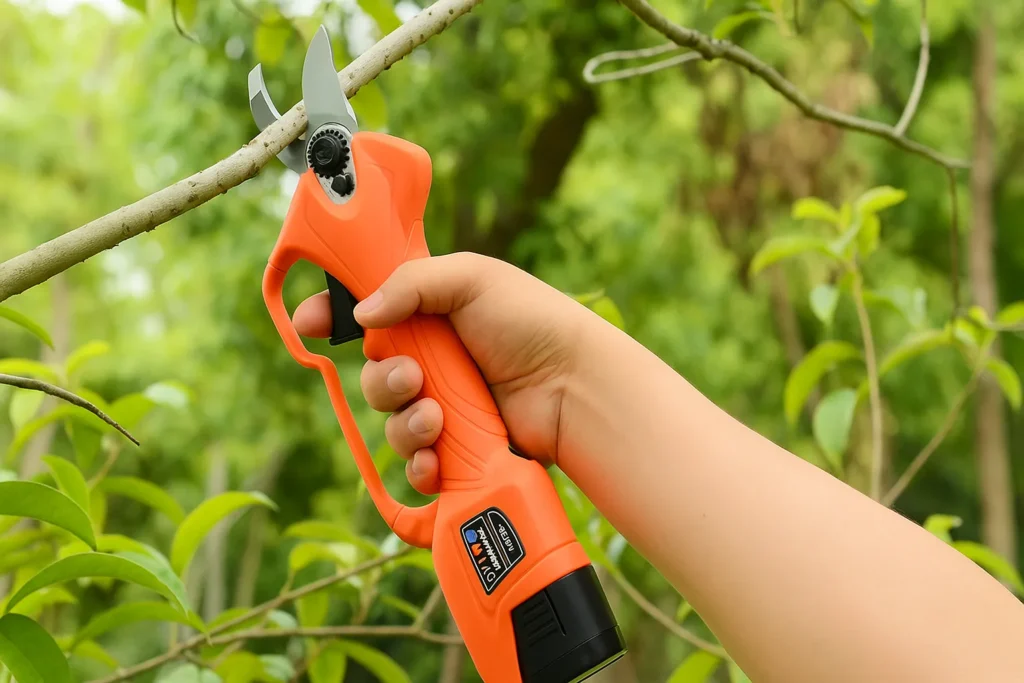
How Gardeners Use Pruning Shears
Pruning shears help gardeners in many ways:
- Firstly, remove dead stems and shape growth.
- Secondly, thin crowded branches for better air and light.
- Also, harvest flowers, cut back perennials, and trim small fruit branches. (Better Homes & Gardens)
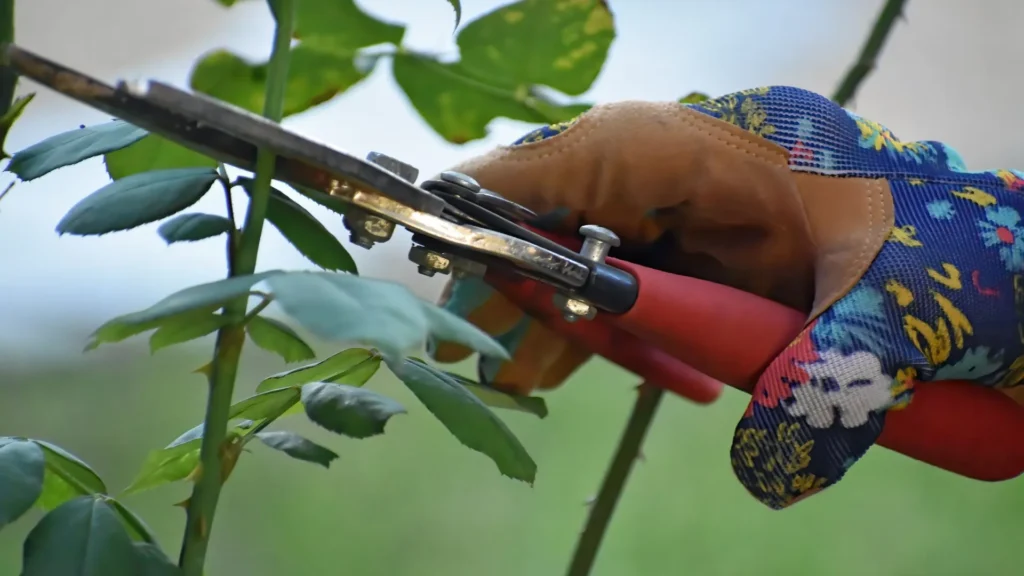
How to Choose the Right Pruning Shears
Match the tool to plants and hands. Take into account the size of the blade, the type of blade, and the ergonomics in design.
Checklist:
- Choose bypass for live wood and roses.
- Choose anvil for dead, woody stems.
- Try a ratchet pruner if hand strength is limited.
- Test comfort and handle grip before buying.
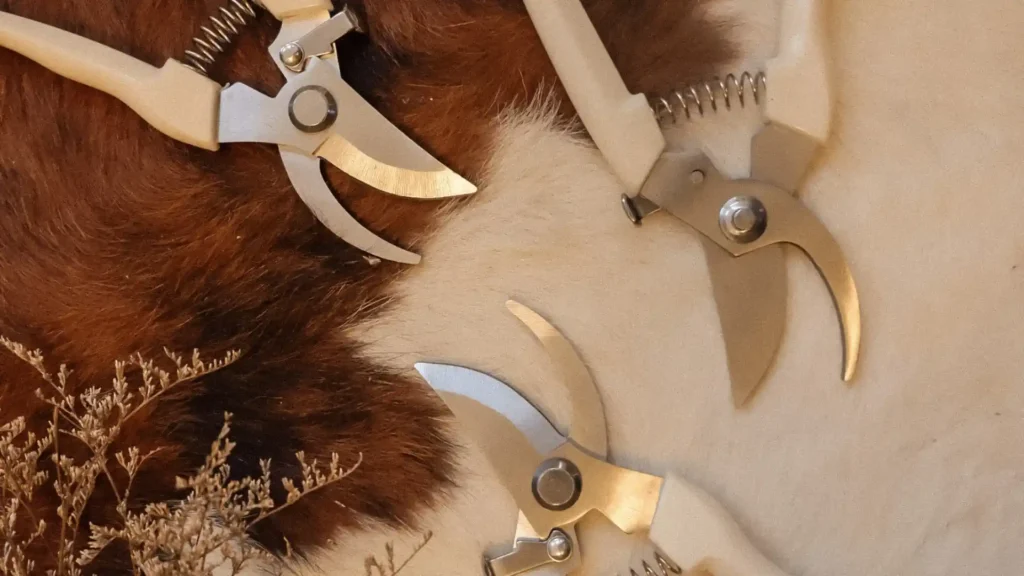
Maintenance: Happy Blades are Master Cutters
After each and every use, the pruners should be cleaned thoroughly. Therefore, this will ward off disease spreading to the next plant. Then, wipe sap and debris with rubbing alcohol or a detergent solution.
Also, sharpen blades when they nick or resist cutting. A whetstone or diamond file works well for most blades.
Furthermore, for smoother action and functionality, pivot points should be lubricated from time to time. Finally, to extend the life of the pruning shears, replacement of worn parts whenever needed is the key.Quick comparison table
| Type | Best for | Pros | Cons |
|---|---|---|---|
| Bypass | Live stems, roses | Clean cuts. Minimal crushing. | Blades need sharpening. |
| Anvil | Dead wood, thick stems | Powerful with less effort. | Can crush live tissue. |
| Ratchet | Thick stems, limited grip | Low hand force. Precise. | Slower, heavier. |
| Electric | Repetitive pruning, vineyards | Speeds work, reduces fatigue. | Costly. Battery limits runtime. |
Summary
Pruning shears shape healthy, attractive plants. First, choose a bypass for living stems and an anvil for dead wood. Moreover, if the job entails large, repetitive jobs, electric pruners are great choices. Also, give loads of TLC to the blades. Then, keep them clean, sharp, and well lubricated. In addition, build quality, comfortable-to-use features are a must when you choose one. Finally, a sharp pruner feels like an extension of your hand, making pruning meditative and precise.
FAQs
1. What is the use of pruning shear?
Pruning shear trim stems, remove dead wood, and shape plants.
2. What is the meaning of pruning shear in TLE?
In TLE, a pruning shear teaches practical horticulture, plant health, and tool safety.
3. How can I differentiate between pruners and shears?
They are commonly used interchangeable names. “Shears” sometimes means larger two-handed cutters.
4. How can I select the best pruning shear?
Professional tests often rate Felco pruners highly. Budget picks from trusted brands also perform well.
5. How to choose pruning shears?
Match blade type to plant material. Test comfort, check blade steel, and consider maintenance.
Trending Posts
Fireplace Mantel Design,
Front Porch Ideas,
Pantry Cabinet,
Closet Door Design,
Herb Garden,
Linoleum Flooring,
Entryway Table,
Home Depot,
Butterfly Garden,
Hydrangeas,
Pergola Designs,
Kitchen Designs,
Pottery Barn Outlet,
Ash Tree,
Fig Tree Care,
Japanese Garden,
Pruning Tomato Plants,
Water-Wise Gardening Ideas,
Smart Home Gardening,
Balcony Design Ideas,
Beginner’s Guide to Composting,
Bedroom Wall Decor,
Beautiful Home and Garden with Natural Materials,
Boxwood Shrubs,
Budget-Friendly Home and Garden Ideas,
Calathea,
Closed-Loop Gardening,
Coyuchi Organic Bedding,
Dicot Plants,
DIY Outdoor Oasis,
Eco-Friendly Home Hacks,
Edible Gardens,
Home and Garden Low-Maintenance Design Ideas,
Home and Garden Water Features,
Home and Garden with Smart Tech,
How to Grow Mistletoe,
How to Make Vermicompost at Home,
Indoor Jungle Vibes,
Indoor Plants Care,
Kitchen Wall Décor


Pingback: Govee Floor Lamp: A Smart Way to Brighten Your Home
Pingback: Electric Pressure Washer
Pingback: Black Mulch